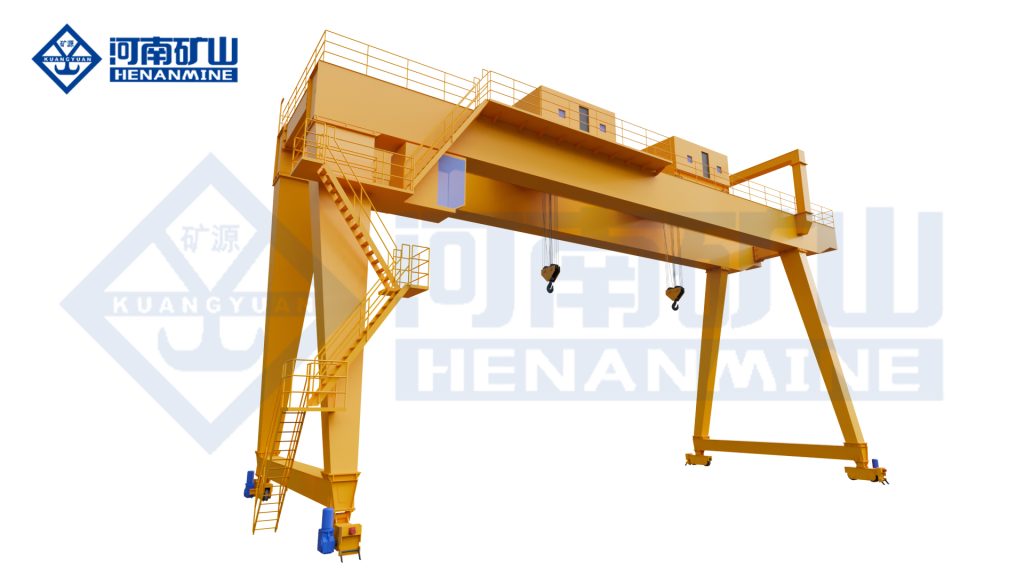
Where it is used
Hull-block assembly
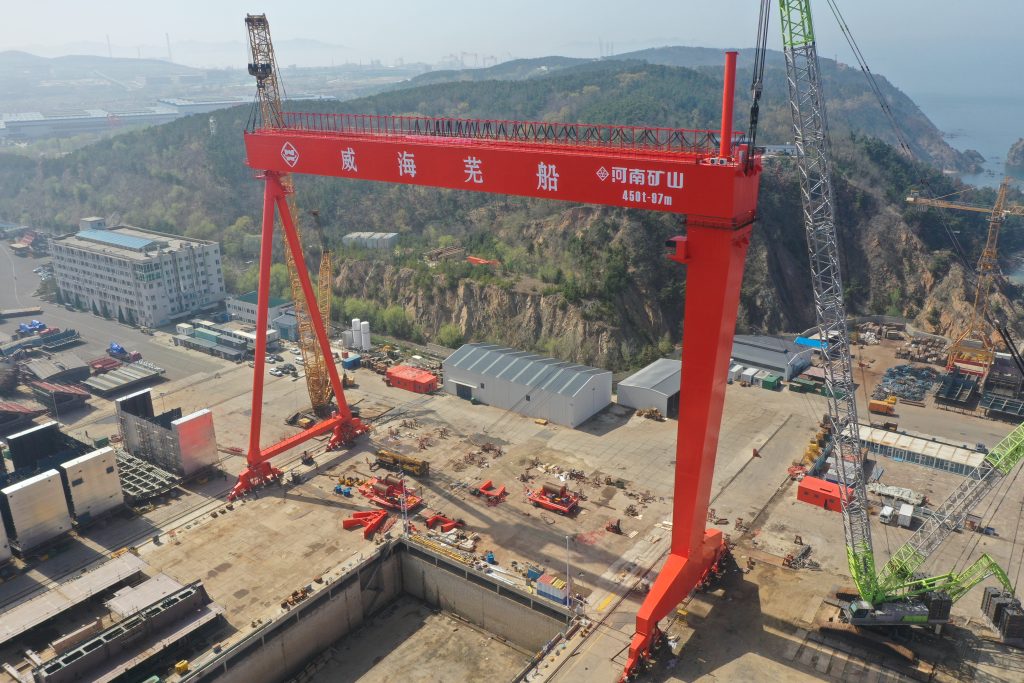
Lift and position prefabricated hull sections at the assembly area.
Block turning
Carry out a designed turning sequence with defined lifting points and reactions.
Dock and berth coverage
Transfer large sections across the crane’s rail-served work envelope.
Product features
Shipyard lifting arrangement
Select trolley and hook arrangements for the hull sections and turning sequence.
PLC and inverter control
Communication-based control coordinates the specified crane motions.
Operating and video monitoring
Monitoring provides operating information and additional views of the lifting area.
Technical specifications
Model: MU family
Published shipbuilding table — 2×50+100 t hook-layout reference
These figures come from one column of the published shipbuilding table. The hook notation is retained exactly; coordinated and turning capacities require the stated lifting arrangement and approval. This A5 table is separate from the page’s A7–A8 catalogue summary.
| Published hook arrangement | 2×50+100 t |
|---|---|
| Span | 50 m |
| Lifting height H1 / H2 | 35 m / 35 m |
| Working class | A5 |
| Full-load hoisting speed | 0.5–5 m/min |
| No-load hoisting speed | 1–10 m/min |
| Full-load crane travel | 2.5–25 m/min |
| Full-load trolley travel | 2.5–25 m/min |
| Power supply | 3-phase AC, 50 Hz, 10 kV |
Equipment arrangement
| Reference configuration | MU family; selected configuration confirmed in quotation |
|---|---|
| Travel arrangement | Ground-rail gantry travel |
| Leg structure | Rigid leg + flexible leg |
| Bridge options | Single / double girder |
| Control | PLC + inverter communication |
| Monitoring | Operating-data and video monitoring |
The named crane-family figures shown here are published selection references, not a single rating for every crane in this category. Rated load, span, lifting height and duty are confirmed together in your quotation and approval drawing.
Price guide
Hull-block weights, lifting points, turning cases, dock dimensions and coastal exposure determine the shipyard crane quotation. A standard yard-gantry price is not a useful basis for this equipment.
What affects the price?
- Hull-block and coordinated-hook load cases
- Dock span, lifting height and turning envelope
- Control, monitoring and coastal protection
- Erection method, runway and delivery scope
Typical configurations
Shipbuilding lifts
Lifting arrangement for ship blocks and large assemblies
Establish load reactions, lifting-point spacing and the required assembly sequence.
Control platform
PLC and inverter communication control
Define independent and coordinated motions for the permitted lifting cases.
Support structure
Rigid leg and flexible leg
Check the complete yard span, rail alignment and installation interfaces.
Final capacity, dimensions and operating functions are agreed for your load and site.
Related project experience
Related shipbuilding crane package
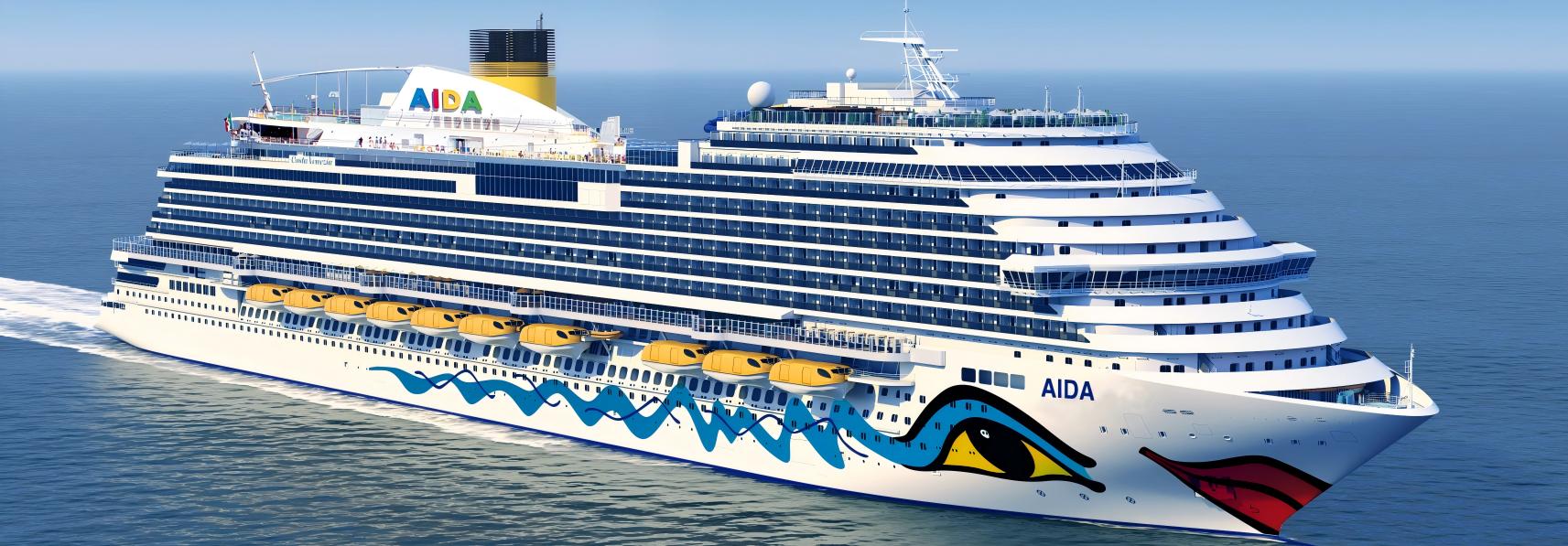
A coordinated crane fleet for cruise-ship construction
- 12 crane sets supporting large cruise-ship construction.
- Indoor overhead cranes cover fabrication and assembly areas.
- Outdoor gantry cranes support auxiliary transfer duties.
This fleet illustrates shipbuilding workshop and auxiliary handling. A hull-block gantry requires a separate specification for block weight, lifting points, turning sequence and dock coverage.
View project detailsCompare related models
Compare the lifting arrangement and site layout before choosing a model.
Configuration
Dedicated shipbuilding portal crane with rigid/flexible legs and project-specific block-turning arrangement.
Consider it when
Large hull sections require lifting, turning, alignment and final assembly.
Configuration
General two-trolley full-gantry configuration.
Consider it when
Long industrial loads require two lifting positions without dedicated shipbuilding functions.
Configuration
Two trolley positions with increased passage clearance around L-shaped legs.
Consider it when
Long fabricated components need two lifting positions and increased leg clearance.
Frequently asked questions
Is a general yard gantry equivalent to a shipbuilding crane?
No. Hull-block geometry, turning load cases and coordinated lifting can require a dedicated shipbuilding configuration.
How should the project quotation be scoped?
Define crane equipment, lifting devices, rails, foundations, power supply, delivery, erection and commissioning responsibilities. Include the required operating cases and acceptance criteria for comparison.
Product views and components