

Shipbuilding Crane Project Case
A coordinated fleet of overhead and gantry cranes was supplied to support component fabrication, assembly, outfitting and maintenance during construction of China’s first domestically built large cruise ship.
Crane package supporting the construction and assembly of a large cruise ship.
| ProjectLarge cruise ship construction | Crane Fleet12 crane sets of different types | Work AreasFabrication, assembly, outfitting and maintenance | Planning FocusCapacity, approach, control and fleet coordination |
The Material-Handling Challenge in Cruise Ship Construction
A large cruise ship is not assembled in one continuous lifting operation. Steel structures, subassemblies, equipment and outfitting materials move through different production zones before final integration. Their dimensions, weights, lifting points and positioning requirements vary widely. A crane selected only by maximum capacity may be suitable for one lift but inefficient for daily handling throughout the yard.
This project required a complete cruise ship assembly crane package that could serve multiple stages of production. Henan Mine Crane supplied 12 crane sets of different types. The fleet supported accurate component lifting and assembly while helping production teams coordinate material movement between work areas.
For shipyards planning a similar investment, the central purchasing question is not simply “What crane capacity do we need?” It is “Which crane, motion characteristics and control method belong in each workshop?” That question guided the package configuration.
Buyer’s takeaway: A shipbuilding crane fleet should be divided by production task, then coordinated as one system for operation, installation, spare parts and maintenance.
Why a Multi-Type Crane Package Was Selected
One crane model cannot efficiently cover every shipbuilding activity. Indoor production bays need compact hook approaches and dependable runway travel. Assembly stations may require controlled low-speed movement for alignment. Outdoor areas need gantry cranes that can serve open storage and transfer routes without relying on a building runway.
The 12-crane package combined application-specific equipment instead of forcing every work area to accept the same configuration. Indoor overhead cranes served covered production spaces, while gantry cranes supported outdoor and auxiliary material handling. For demanding production bays, a double-girder overhead crane can provide the capacity, hook coverage and equipment arrangement required by the building.
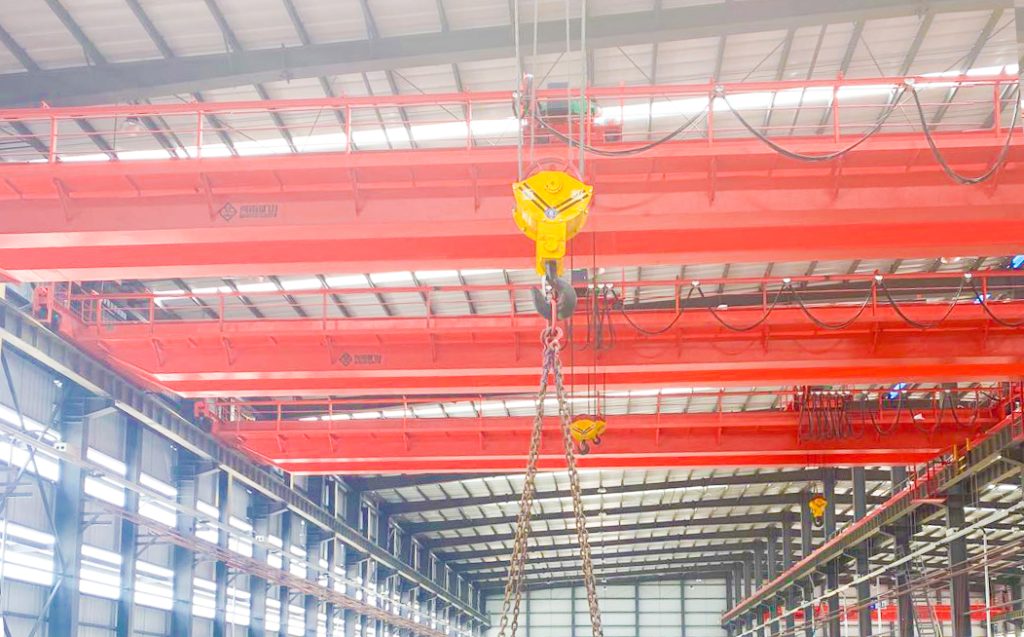
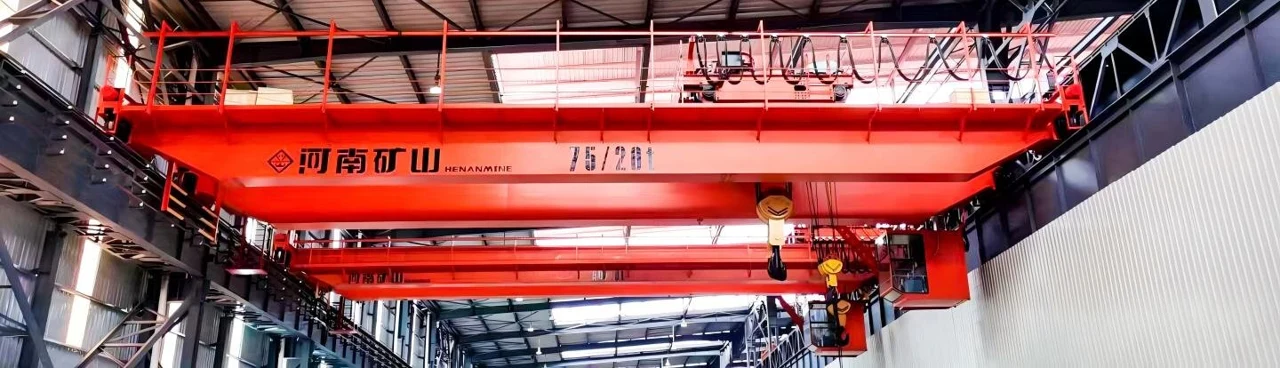
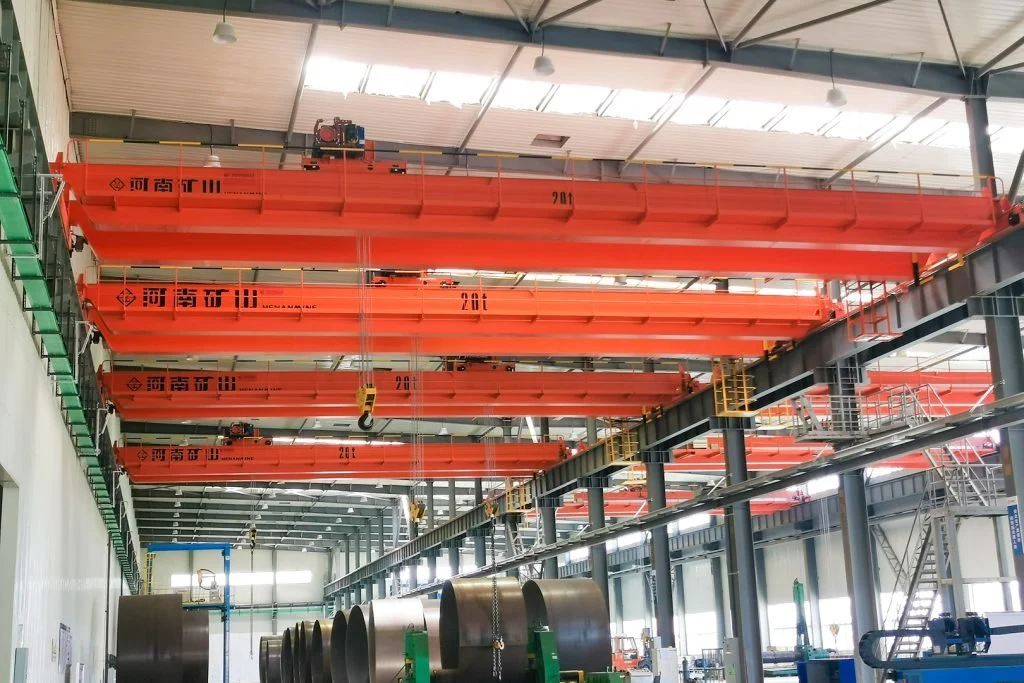
Multiple bridge cranes installed in a large shipbuilding production workshop for component handling.
Crane Allocation by Shipbuilding Work Area
Structural Fabrication
Fabrication workshops handle plate, fabricated structures and components moving between cutting, welding and preparation stations. Crane selection for these bays should reflect daily load distribution, building span, available headroom, runway length and the number of simultaneous workstations. Efficient hook coverage is important because lost approach distance can create inaccessible areas near walls or equipment.
Component and Subassembly Handling
As fabricated parts become larger subassemblies, the lifting plan must account for load geometry as well as weight. Hook spacing, lifting beams, slings and possible load rotation should be reviewed before the crane arrangement is finalized. When two lifting points or coordinated cranes are required, the control strategy and operating procedure must be defined early.
Outfitting and Equipment Installation
Outfitting involves repeated handling of machinery, equipment and construction materials. These lifts may be lighter than major structural transfers, but positioning, accessibility and production frequency remain important. Matching the crane to the normal operating load can reduce unnecessary equipment size while keeping the required safety margin.
Maintenance and Auxiliary Logistics
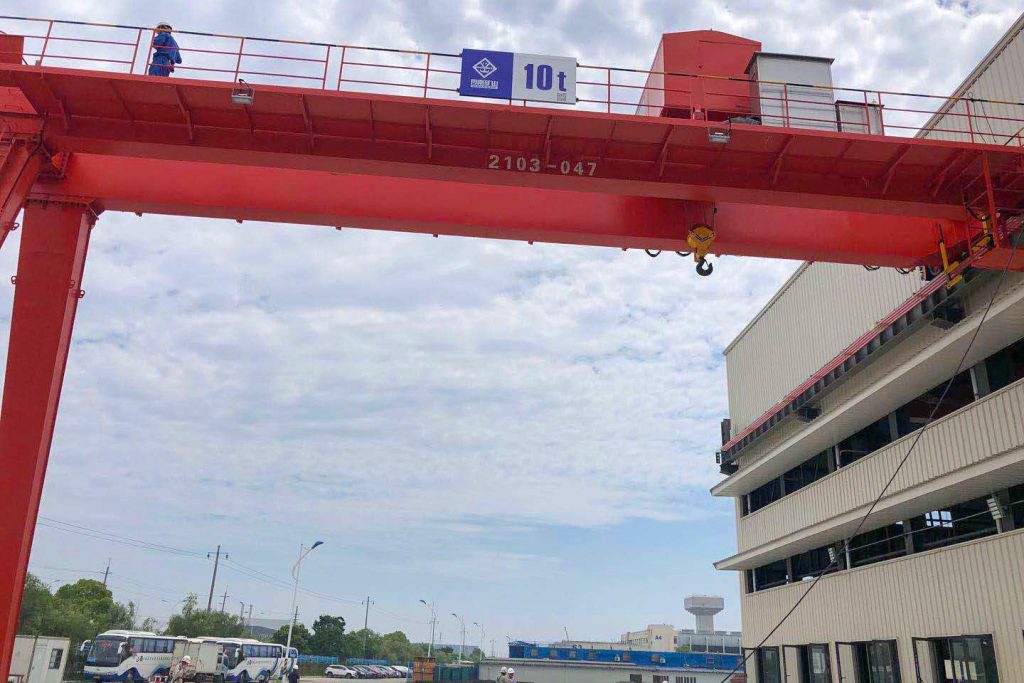
Maintenance bays and outdoor routes need their own lifting coverage. Smaller cranes can support tooling, repairs and auxiliary materials without occupying a main production crane. Outdoor double-girder gantry cranes can be configured for heavier transfer duties, while application-matched units serve lower-capacity tasks.
|
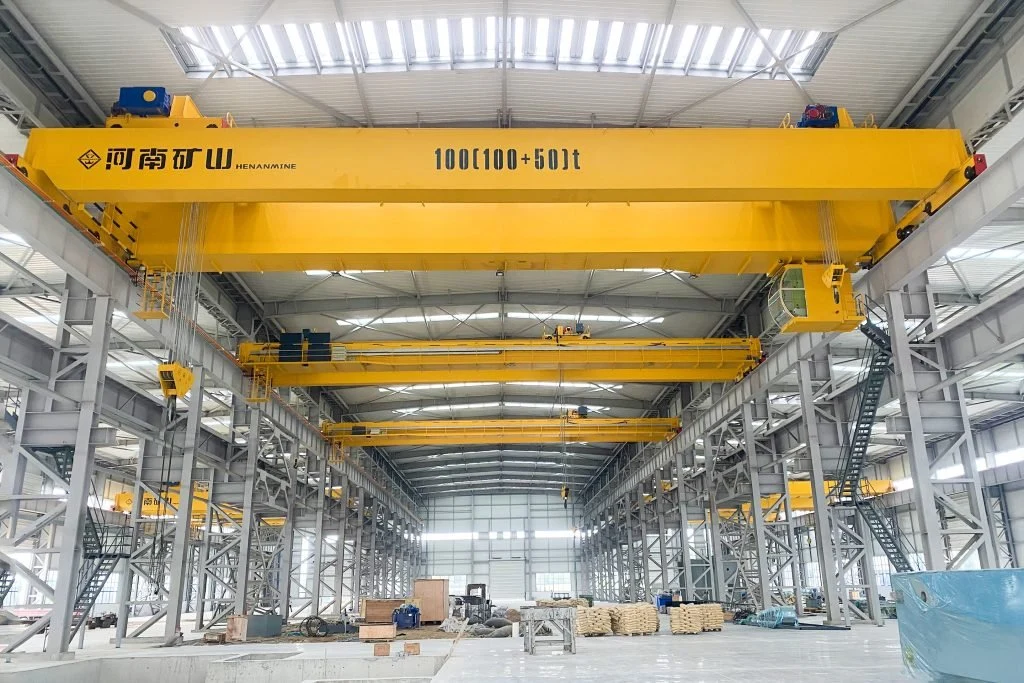
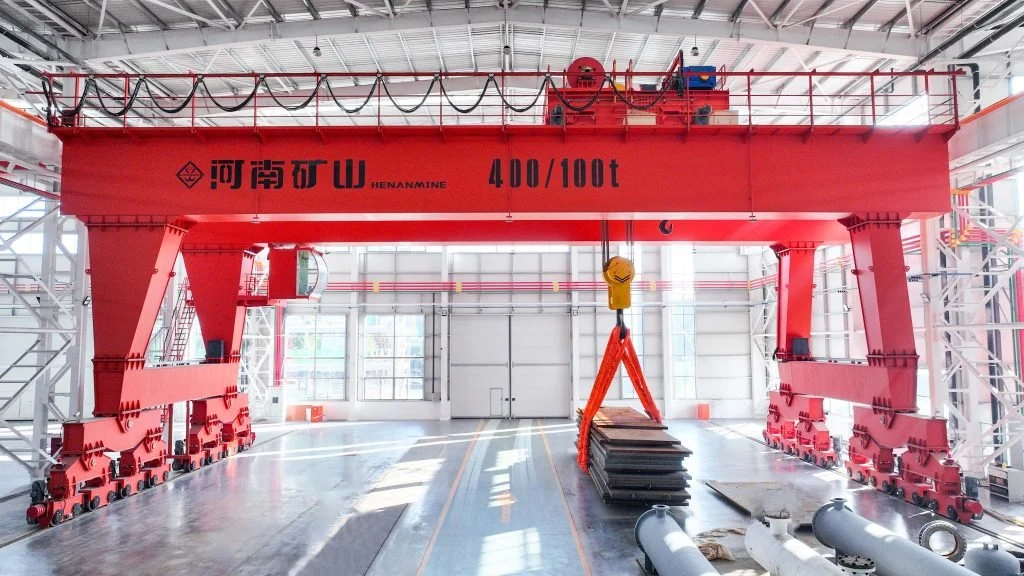
Heavy bridge crane serving component lifting and assembly inside the shipbuilding facility. |
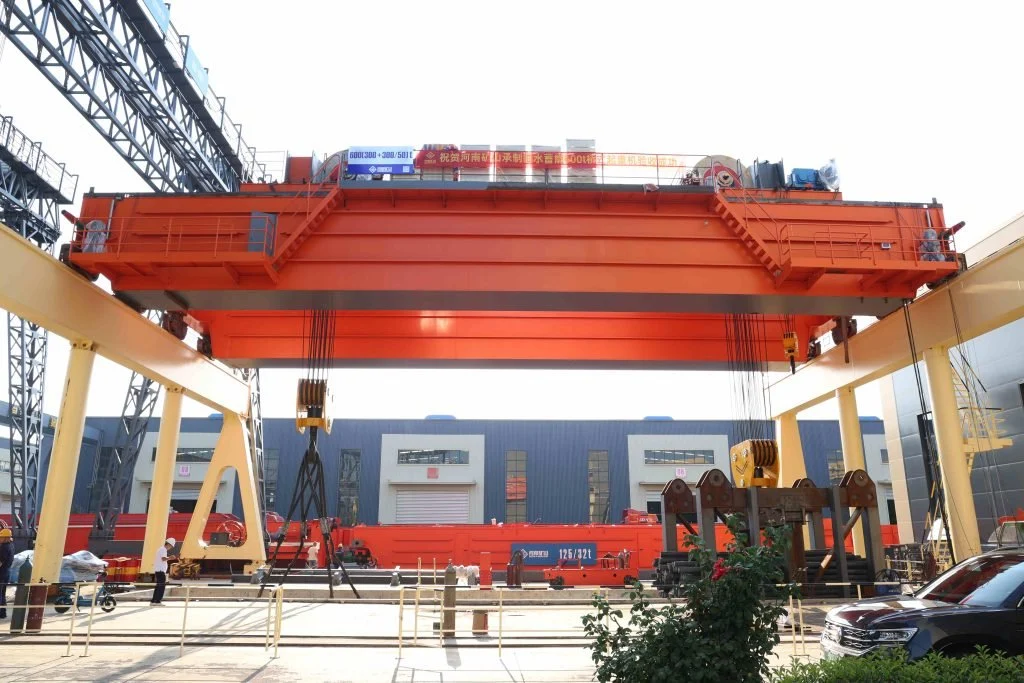
Outdoor gantry crane supporting auxiliary material handling at the construction site. |

Controlled Motion for Accurate Assembly
Cruise ship components must arrive at the assembly point under control. Excessive starting shock, load swing or abrupt braking increases the effort required from operators and rigging teams. For positioning work, the crane specification should consider suitable low-speed control, smooth acceleration and deceleration, braking response and clear operator visibility.
The required level of control depends on the load and process. A transfer crane moving materials between zones does not necessarily need the same positioning characteristics as a crane serving a close-tolerance assembly station. Separating these duties helps buyers invest in precision where it creates production value.
Fleet Standardization Without Using One Crane Model
A multi-type fleet can still be standardized. Common electrical components, control interfaces, motors, brakes, safety devices and spare-parts families can be used where technically suitable. Operators encounter a more consistent control philosophy, and maintenance teams manage fewer component variations.
Standardization should support the application, not override it. Capacity, span, lifting height, duty class, speed, environment and hook approach must remain specific to each working area. Buyers comparing proposals can use the crane duty class guide to understand why two cranes with the same rated load may need different mechanisms and operating classifications.
|
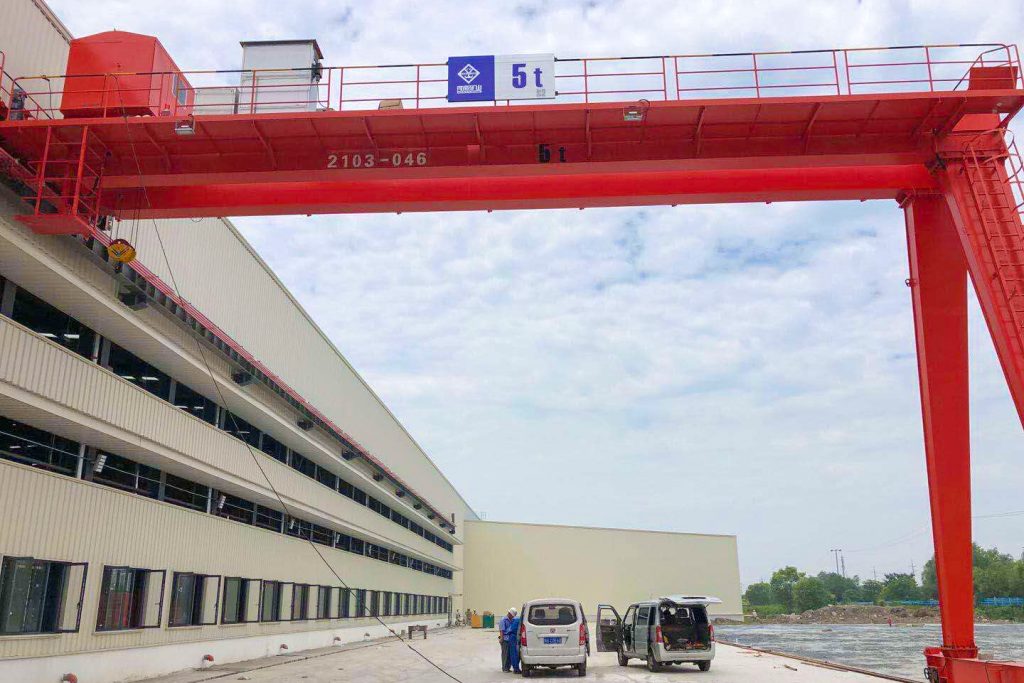
Smaller gantry crane for auxiliary handling beside the production facility. |
|
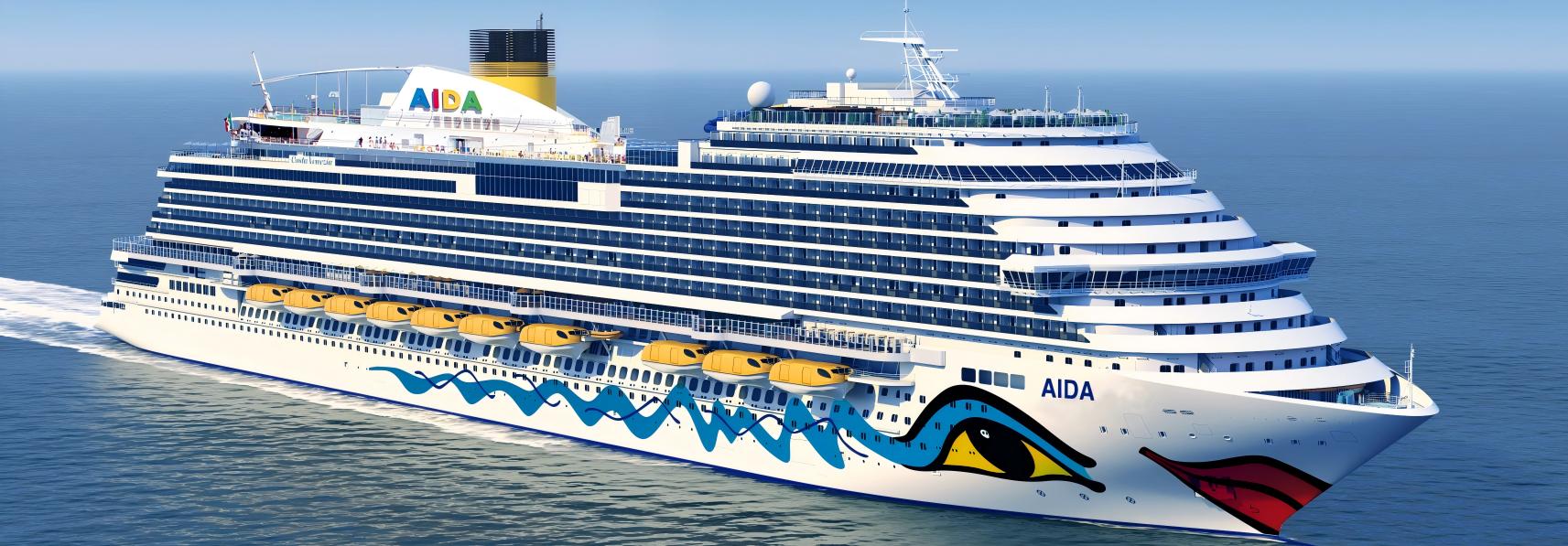
 Large cruise ship represented in the referenced construction project.
Engineering Information Required for a Shipyard Crane Proposal
A reliable quotation starts with process information, not only capacity and span. The following inputs allow the crane manufacturer to divide the fleet correctly and identify where a standard design is sufficient or a custom configuration is required.
| Information | Why It Matters |
|---|---|
| Load list and lifting points | Defines rated capacity, hook arrangement, lifting accessories and possible coordinated lifting. |
| Workshop drawings | Confirms span, runway length, headroom, hook approach and structural interfaces. |
| Operating cycle | Supports duty-class selection and sizing of mechanisms, brakes and electrical equipment. |
| Required speeds and control | Separates normal transfer duties from accurate assembly and positioning duties. |
| Indoor or outdoor conditions | Determines enclosure, corrosion protection, weather considerations and gantry-crane requirements. |
| Delivery sequence | Aligns crane manufacturing, transport, installation and commissioning with workshop readiness. |
Installation Planning for a 12-Crane Fleet
For a package of this size, delivery and commissioning should follow the shipyard’s construction schedule. Runway readiness, electrical supply, access for unloading, erection space and availability of installation equipment all affect the sequence. Outdoor units also require confirmed rail, foundation and drainage conditions; the gantry crane installation and foundation guide outlines the information buyers should prepare.
Commissioning should verify crane motions, limit devices, brakes, safety functions, controls and rated-load performance. Handover documentation, operator instruction and maintenance planning allow the fleet to enter service in a controlled manner.
Project Result
The project delivered 12 crane sets of different types for construction of China’s first domestically built large cruise ship. The equipment served component lifting and assembly across the shipbuilding process and improved coordination during production. The result demonstrates how a planned crane fleet can support structural fabrication, subassembly, outfitting, equipment installation and maintenance without relying on a single oversized solution.
Shipyards, marine-equipment manufacturers and large fabrication facilities can use the same planning method: map every lifting task, divide it by work area, match capacity and motion control to the process, then standardize common components across the fleet where practical. Explore more industrial manufacturing crane solutions for related production environments.
Frequently Asked Questions
Can one crane design be used throughout a shipyard?
Usually not efficiently. Covered workshops, accurate assembly stations, maintenance bays and outdoor handling routes have different capacities, spans, lifting heights, speeds and environmental conditions. A multi-type package matches each crane to its duty while retaining a common control and maintenance philosophy where possible.
What should be included in a shipbuilding crane quotation?
Provide the load range, maximum unit weight, load dimensions, lifting points, workshop drawings, span, lifting height, runway length, operating frequency, required speeds, power supply, control preference, indoor or outdoor conditions and project schedule.
Can overhead and gantry cranes be supplied as one package?
Yes. Combining indoor overhead cranes and outdoor gantry cranes under one project plan can simplify technical coordination, controls, documentation, spare-parts planning, delivery sequencing and commissioning.
Request a Customized Shipbuilding Crane Package
Send your workshop drawings, load list, lifting height, operating cycle and project schedule. Henan Mine Crane can configure an overhead and gantry crane package around your fabrication, assembly, outfitting and maintenance workflow.


