Skip to content
Henan Mine Crane
Request a quote
Menu
HomeCompany & capabilities

Project & lifecycle support

Full Lifecycle Crane Service

From project consultation and custom engineering to manufacturing, delivery, installation, maintenance and modernization, Henan Mine Crane supports your crane throughout its entire service life.
Aerial view of Henan Mine Crane manufacturing campus
HENAN MINE CRANEProject & lifecycle support

Our Lifecycle Service Process

01

Consultation

Customer team inspecting crane equipment during factory consultation
We review your lifting requirements, operating conditions and site constraints before recommending a suitable crane solution.
  • Load, capacity, span and lifting height
  • Operating frequency and load characteristics
  • Lifting attachment and load handling requirements
  • Site conditions, power supply and project schedule
02

Technical Design

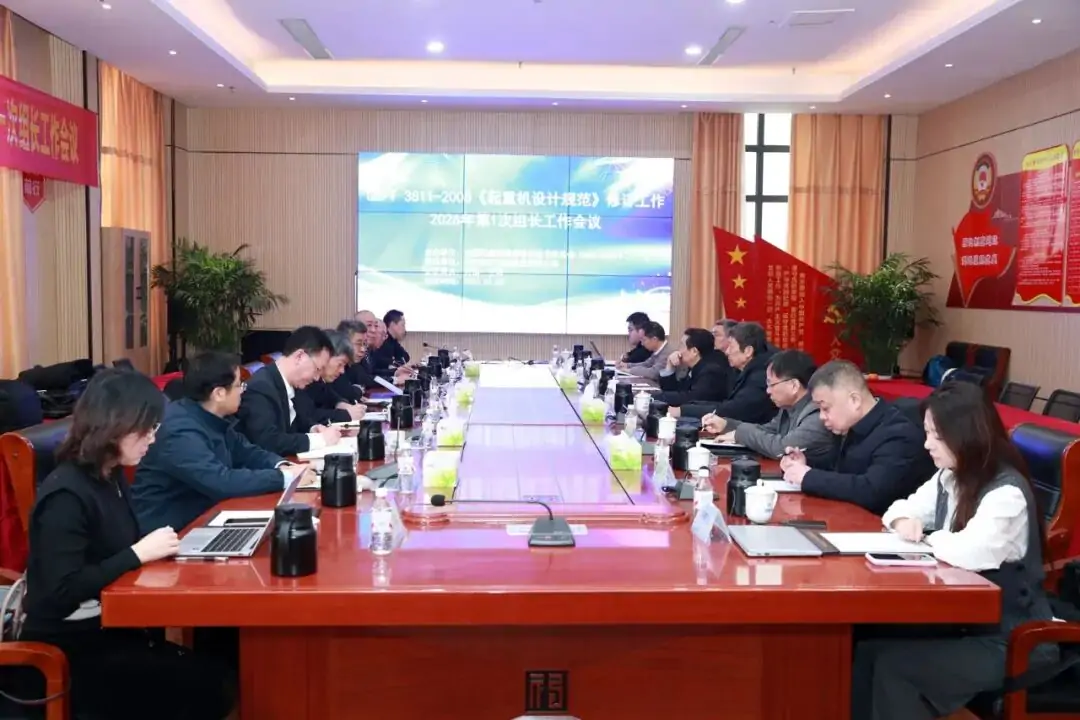
Engineering team reviewing crane project requirements in technical design meeting
Our engineers develop the structural, mechanical, electrical and safety configuration according to the confirmed project requirements.
  • General arrangement and clearance review
  • Mechanism, control and safety configuration
  • Technical drawings and project documentation
03

Manufacturing

Robotic welding production line for overhead crane main girders
Crane structures and components are produced under controlled cutting, welding, machining, assembly and inspection procedures.
  • Material and component verification
  • Robotic welding and precision machining
  • Process inspection and functional checks
04

Delivery

Crane components leaving Henan Mine Crane factory on heavy transport trucks
Crane components are identified, protected and prepared according to their dimensions, transport method, unloading conditions and installation sequence.
  • Component marking and packing lists
  • Export packing and structural protection
  • Shipment coordination and status updates
05

Installation & Commissioning

Crane installation team assembling an overhead crane end carriage with temporary lifting equipment
Support can include site verification, mechanical and electrical installation, calibration, testing and final handover according to the agreed project scope.
  • Runway, rail and site verification
  • Mechanical and electrical commissioning
  • No-load and load testing
06

Training

Employees attending practical training outside crane workshop
Operators and maintenance personnel receive practical guidance before the crane enters regular operation.
  • Crane controls and safe lifting procedures
  • Daily inspection and maintenance guidance
  • Emergency response and document handover
07

Maintenance

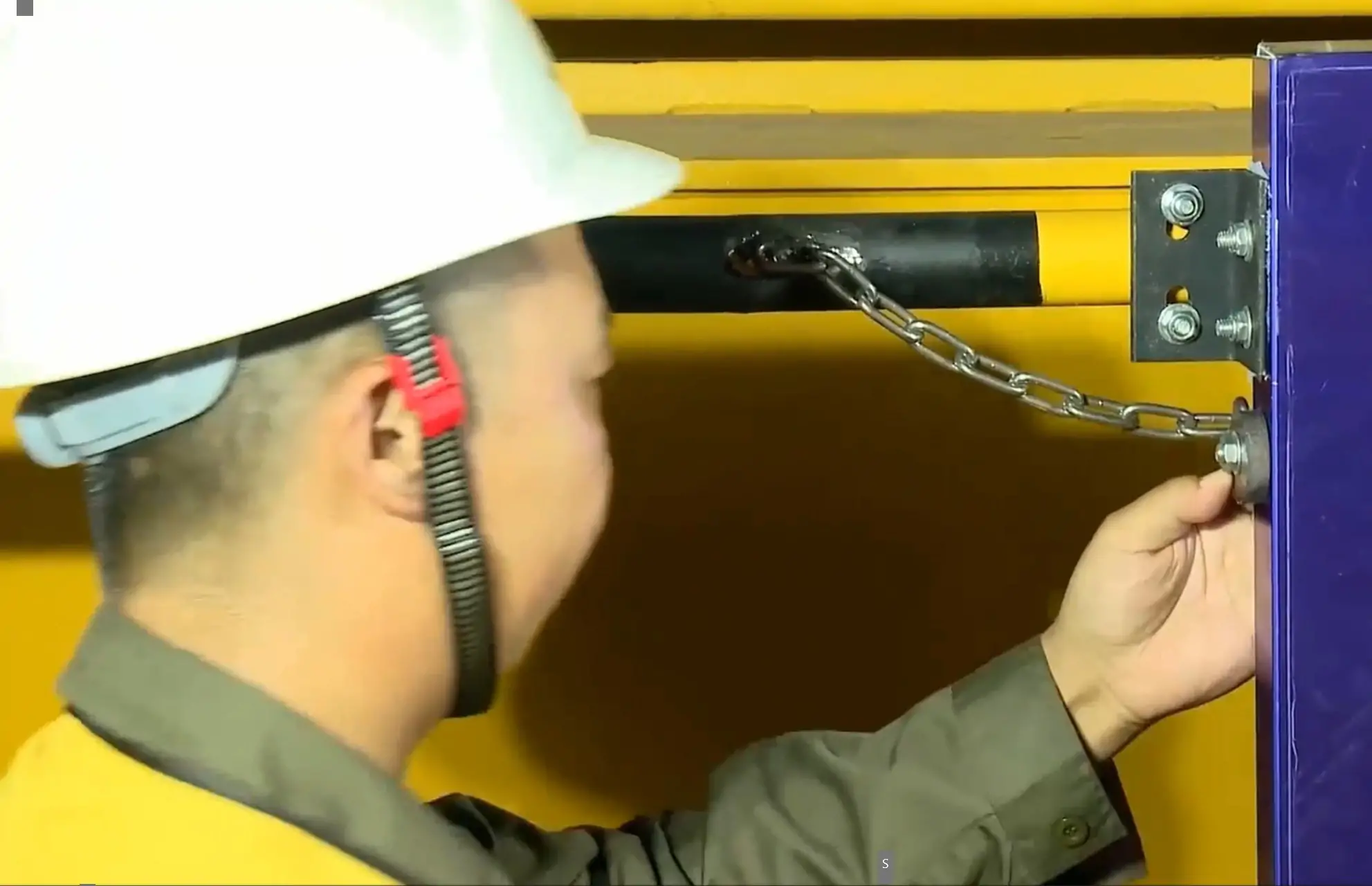
Technician inspecting a mechanical connection on overhead crane equipment
Planned inspection and maintenance help identify wear, misalignment and safety risks before they cause unplanned downtime.
  • Wear, lubrication and alignment checks
  • Brake, wire-rope and safety-device checks
  • Electrical inspection and maintenance planning
08

Spare Parts

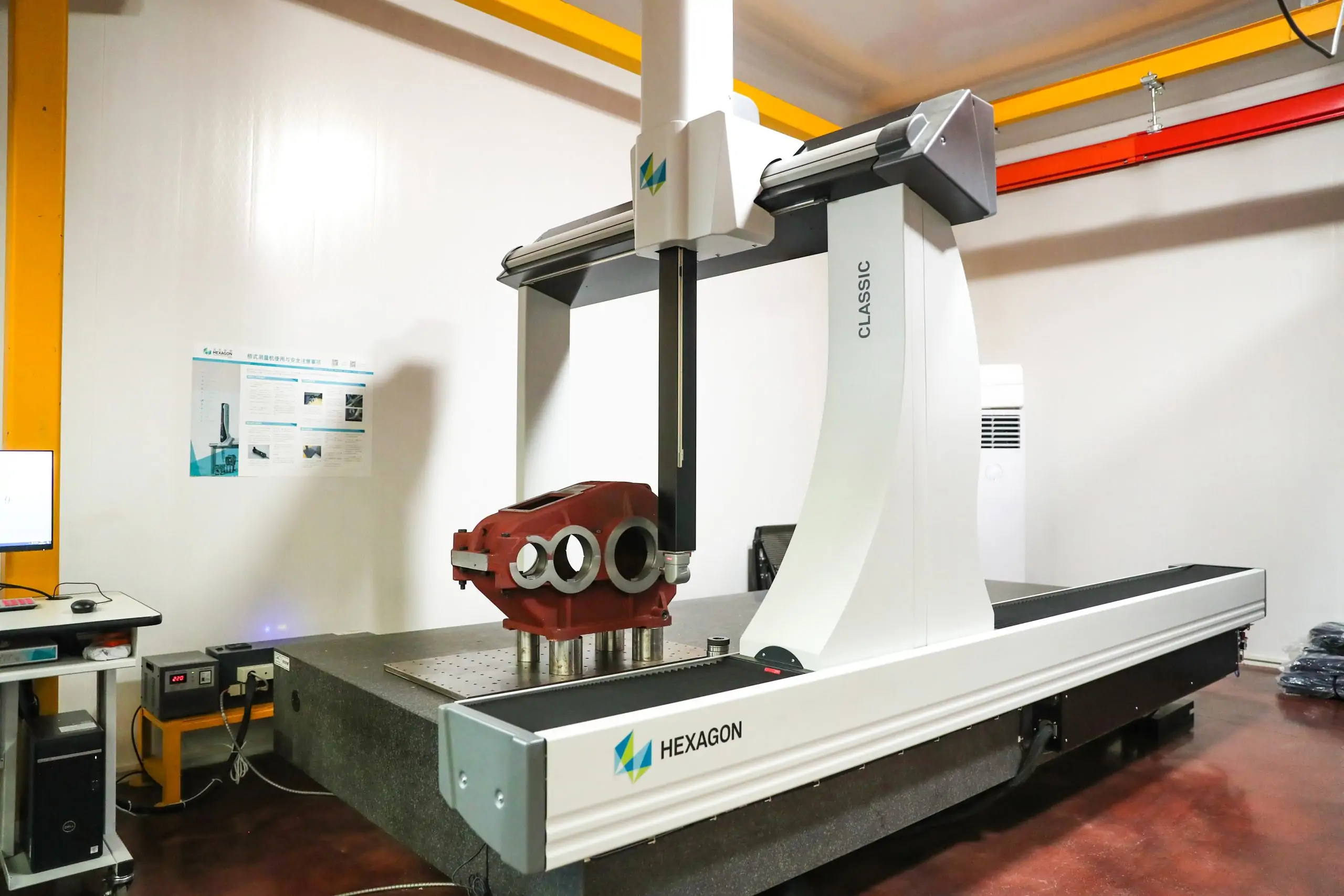
Coordinate measuring machine inspecting dimensions of a crane mechanical component
We help identify suitable replacement parts using the crane model, nameplate, drawings, photographs and component specifications.
  • Henan Mine Crane original or approved compatible parts
  • Part identification and compatibility review
  • Supply and delivery coordination
09

Retrofit & Upgrade

Retrofit & Upgrade
Existing cranes can be evaluated for control, safety, efficiency and automation improvements according to their structural condition and operating requirements.
  • Control system and variable-frequency upgrades
  • Safety devices and remote monitoring
  • Engineered modification and automation
10

Remote Support

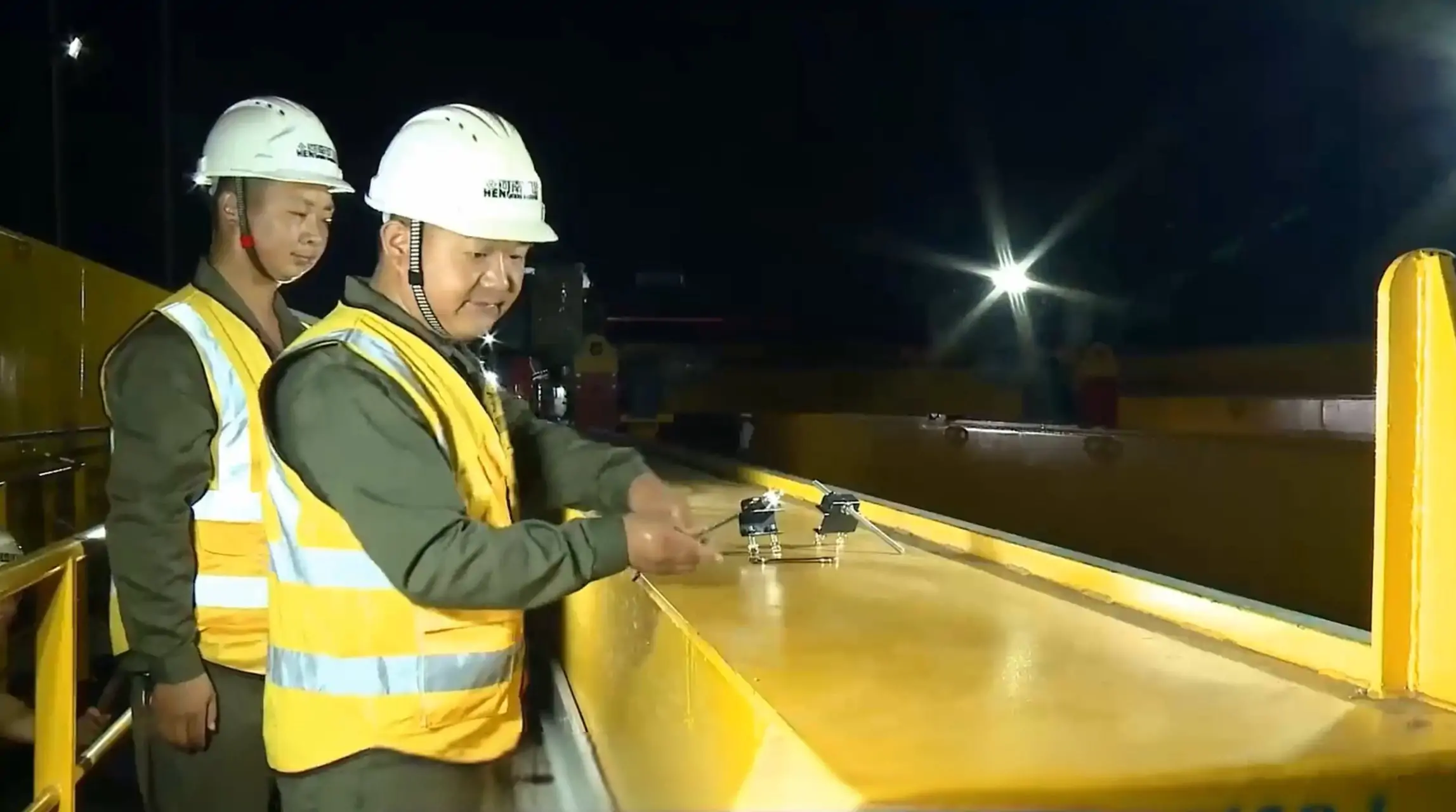
Technicians measuring an overhead crane bridge during installation
Our service team reviews equipment information, alarm records, photographs and operating videos to assist with fault analysis and troubleshooting.
  • Remote fault diagnosis
  • Online troubleshooting guidance
  • Control-system support where applicable

Global Crane Service Support Coordinated. Responsive. Reliable.

Henan Mine Crane supports international crane projects through coordinated technical communication, remote troubleshooting, installation guidance, operator training and spare parts assistance. On-site service is arranged according to the project location, crane type and agreed service scope.

Service coordination

  • Project-specific service planning
  • Technical response coordinated with your team
  • Remote support and troubleshooting
  • Spare parts identification and supply coordination
Discuss service support ↗

Common Service Needs

Parts Compatibility and Quality Review

Delivery Planning and Shipment Coordination

Extended Service Life Preventive Maintenance Reduces Wear and Failures

Enhanced Safety Maintenance Compliance and Safe Operation

Lower Total Cost Reduces Downtime and Repair Costs

Service Records and Maintenance Planning

More information

Reliable Crane Service from Project Planning to Long-Term Operation

Henan Mine Crane provides coordinated full lifecycle crane services covering consultation,
technical design, manufacturing, delivery, installation and commissioning,
operator training, preventive maintenance, spare parts, modernization and
remote technical support. Our goal is to reduce project risks, minimize
unplanned downtime and keep your lifting equipment operating safely and reliably.

Before Crane Installation: Confirm Site Readiness

For overhead and gantry crane projects, agree the site interfaces and each party's responsibilities before fixing the installation date. Use these six checks to prepare the handover from equipment delivery to site installation.

  1. Structure and load data. Share the approved support drawings and crane reaction loads. Have the project's qualified structural engineer confirm the suitability of the building, runway supports and foundations for the specified equipment.
  2. Runways and clearances. For existing runways, provide an as-built survey showing span, rail alignment and levels. Identify rail sections, fixings, end stops and obstructions. Have differences from approved drawings assessed before installation; acceptance limits depend on the project requirements.
  3. Delivery and lifting access. Agree delivery routes, door openings, unloading and assembly areas, lifting equipment and the required ground or floor capacity with the installation contractor. Identify who supplies each item.
  4. Electrical supply. Confirm the available voltage, frequency and phase, the supply connection point and the scope of cabling and isolation equipment. Assign responsibility for preparing and checking the site supply.
  5. Site work arrangements. Agree the installation window, production shutdowns, work area boundaries, contractor access and site permit requirements. Nominate a site contact to coordinate the owner, installer and other contractors.
  6. Testing and handover. Agree who arranges commissioning, applicable acceptance tests and any required test loads. Define the handover documents, inspection records and operator training to be completed before the crane enters service.

Handover records. Agree a document register tied to the crane model and serial number: current arrangement and electrical drawings, operating and maintenance instructions, agreed factory inspection records, and site commissioning and test reports. Record the test date, scope, result and responsible sign-off, plus any open item, owner and closure date.

Factory and site checks. Factory acceptance testing (FAT) checks the agreed factory scope before shipment; site acceptance testing (SAT) checks the agreed installed-system scope after erection. Define the acceptance criteria, witness arrangements and release responsibilities in the order. Applicable local requirements and the approved test plan determine the testing required for your project.

Discuss site readiness with our team and identify which drawings, survey records and site arrangements your project needs.

Before Shipment: Confirm Packing and Delivery Details

For overhead and gantry crane orders, confirm the shipping information with your project contact and freight forwarder before booking transport.

  1. Package identification. Match component descriptions, quantities and package marks to the packing list and agreed equipment scope. Make separately packed accessories and spare parts easy to identify.
  2. Dimensions and weight. Request the final packed length, width, height and gross weight of each shipping unit, including any unpacked structural pieces. Have your freight forwarder verify transport and destination-route suitability against these figures.
  3. Protection and storage. Agree protection for exposed components and electrical items for the planned journey and expected storage conditions. Confirm any inspection and storage instructions; packing details depend on the equipment and agreed scope.
  4. Documents and receiving. Confirm consignee details and the invoice, packing list and transport documents required with your importer or customs broker. Assign who checks package counts and visible condition at receipt and records any discrepancies promptly.

Discuss packing and delivery details and share your destination, transport plan and receiving constraints.

Crane Lead Time: Confirm the Milestones

Ask what starts the quoted lead time and what its end date covers. A factory-ready date, shipment date and date ready for operation are different milestones.

  1. Approval and production release. Agree when drawings and technical details must be approved, and any contractual conditions for releasing the order to production.
  2. Production and inspection. Confirm component availability, manufacturing completion and any agreed factory inspection or witness-test dates. Include time to resolve findings before shipment.
  3. Shipment and arrival. Separate dispatch from transport, import clearance and inland delivery. Confirm who coordinates each stage and how arrival estimates will be updated.
  4. Installation and handover. Match the site-ready date and installation window to delivery. Allow for commissioning, agreed acceptance checks and training before planning routine crane use.

Record revised milestones after design or scope changes instead of relying on the original estimate. Discuss your project schedule and share the date when you need the crane ready for operation.

Requesting Crane Spare Parts: Identify the Equipment First

Start with the equipment records so the replacement can be checked against the installed configuration. For a parts enquiry, prepare:

  1. Equipment identity. The manufacturer, complete crane or hoist model, serial or order number and year of manufacture, with a readable nameplate photograph.
  2. Part reference. The required part number and description, quantity, and the relevant parts-list page or drawing number and revision. Identify which assembly the part belongs to.
  3. Supporting details. Clear photographs of the component and its markings, plus any separate motor or other component nameplate. Explain whether you need a routine spare or a replacement for a reported fault.

A similar appearance alone does not establish interchangeability. Discuss your spare-parts requirement and include the destination and required date; ask for compatibility, availability and delivery to be confirmed before ordering.

Before Ordering: Confirm Crane Warranty Scope

Request the warranty terms for the quoted crane configuration and destination before placing the order. Review these points alongside the equipment and service scope:

  1. Period and starting event. Confirm the duration, whether it starts at shipment, delivery or commissioning, and how delayed installation affects the end date.
  2. Covered equipment and exclusions. Identify the terms for the crane structure, hoist, controls and bought-in components. Clarify how manufacturing defects, normal wear and required operation or maintenance records are treated.
  3. Service location and costs. Confirm whether support is remote, on site or at a repair facility. Specify responsibility for parts, labour, technician travel, lifting access, freight and import charges.
  4. Claim and repair process. Agree whom to notify, what evidence to provide and what approval is needed before arranging repairs or returning parts. Distinguish an initial response target from a repair-completion commitment.

Keep the agreed terms with the order confirmation. Use the equipment and part-reference checklist to prepare identification details, or discuss warranty and service scope for your project.


YOUR LIFTING PROJECT

Let's find the right crane for your application.

Share the lifting task and the details you already know. A drawing or a clear description helps us review your requirements.

  • Load, dimensions & lifting attachment
  • Span, lifting height & working area
  • Operating frequency & environment
  • Destination, power supply & project scope

Still defining the specification? Mark unknown items as “to be confirmed”.

    Henan Mine Crane uses the contact details and project information you submit to review your enquiry, prepare a response and discuss the requested crane supply or service. Please include only information needed for your project. Questions about your enquiry information? Contact info@hnksglobal.com. Privacy Notice.