
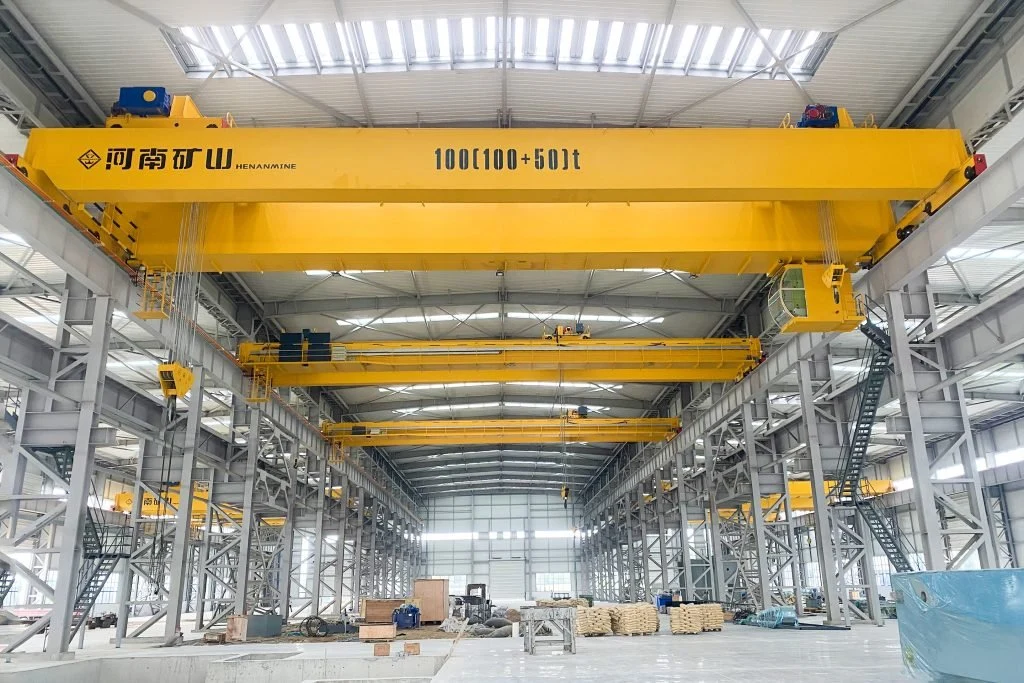
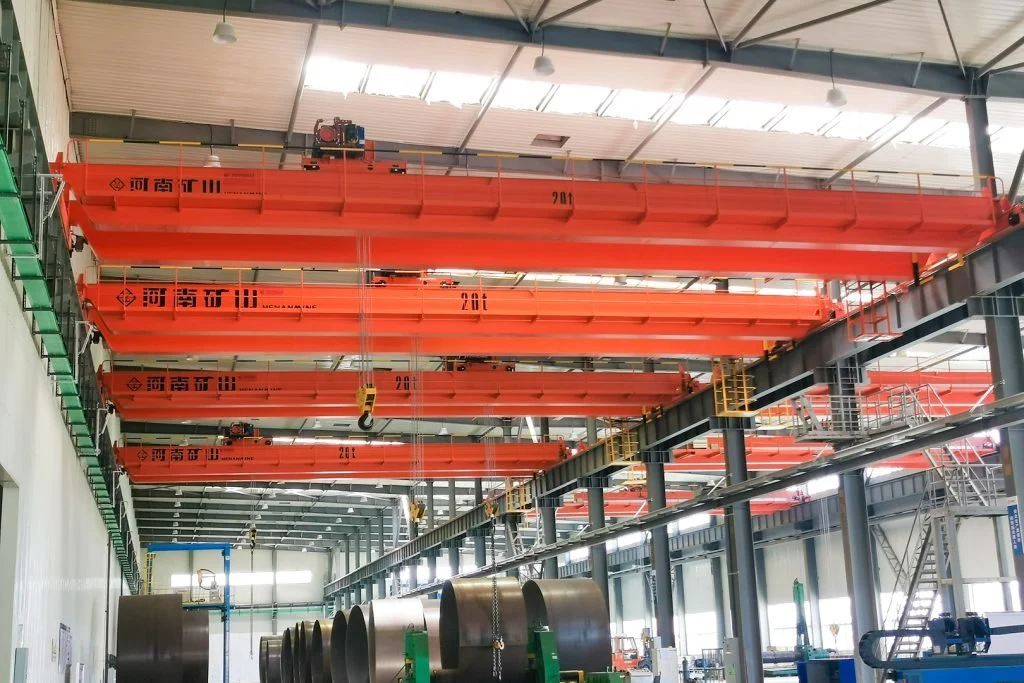
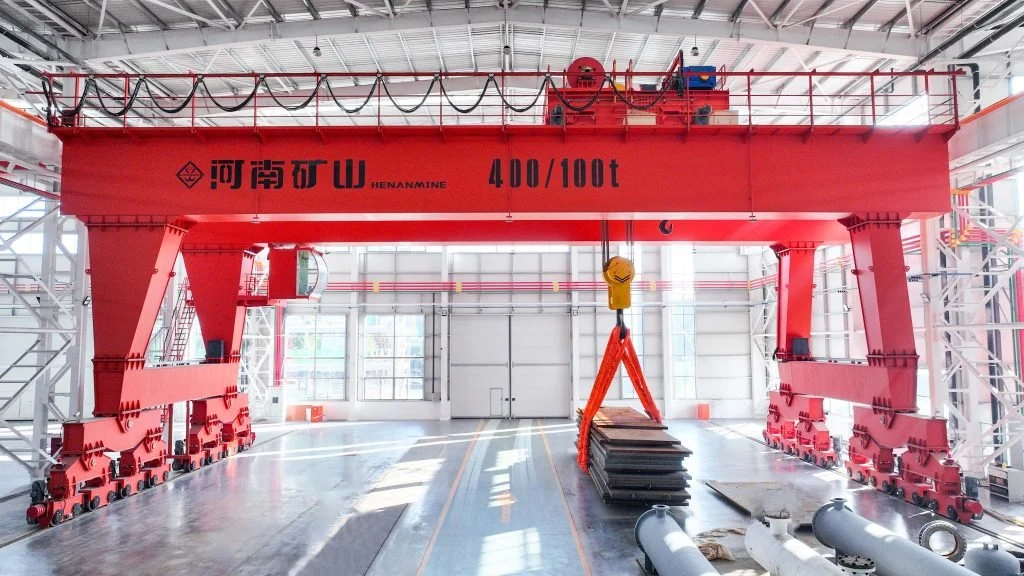

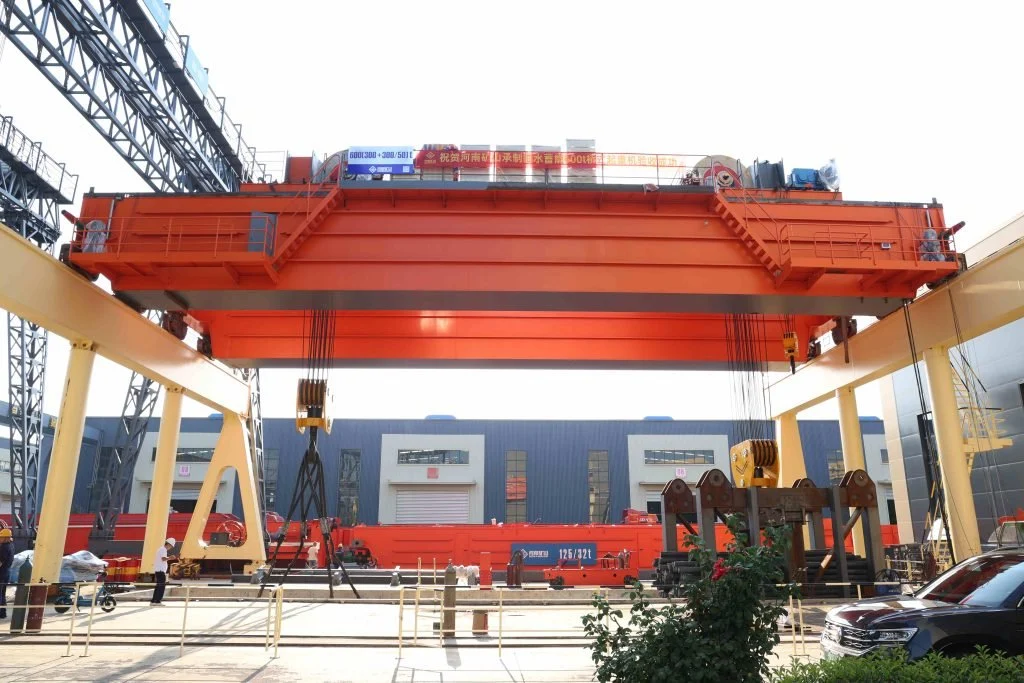
Where it is used
Electrolysis workshops
Handle components around equipment where the load may create an electrical conduction path.
Non-ferrous metal production
Lift process parts in aluminum, magnesium or other suitable smelting operations.
Process maintenance
Remove equipment using an isolation arrangement matched to the plant electrical conditions.
Product features
Isolated load path
Insulating pads, sleeves and plates interrupt selected electrical conduction paths. Each trolley rating and permitted combined operation are defined separately in the approved load chart.
Controlled positioning
Drive and speed-control arrangements support careful placement near process equipment.
Inspection access
The isolation arrangement is selected together with its inspection and maintenance requirements.
Technical specifications
Model: QYE
| Model | QYE |
|---|---|
| Working duty | A5 – A6 |
| Protection level | IP54 – IP65 |
| Power supply | 380V/50Hz; 220-660V/50-60Hz |
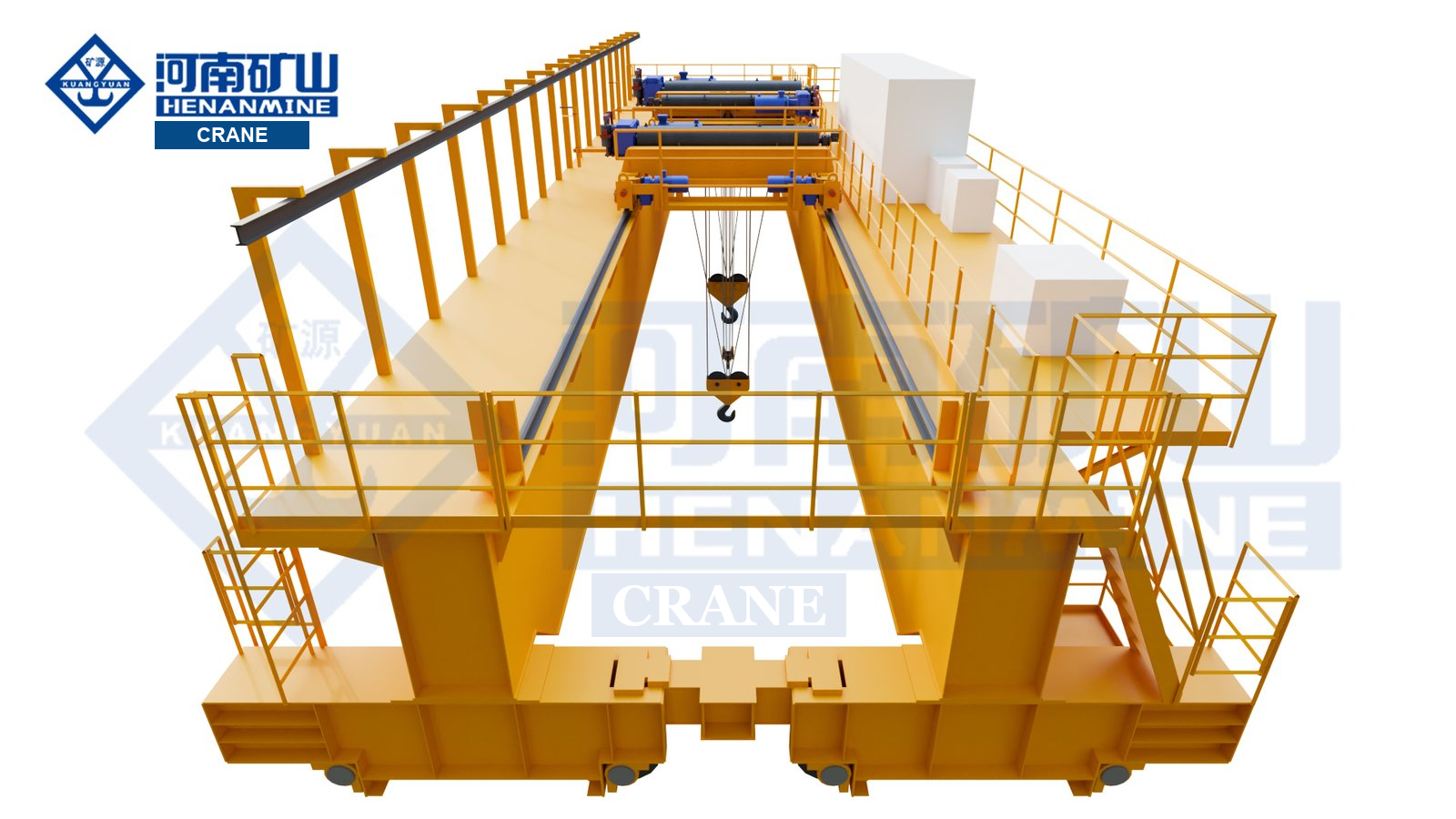
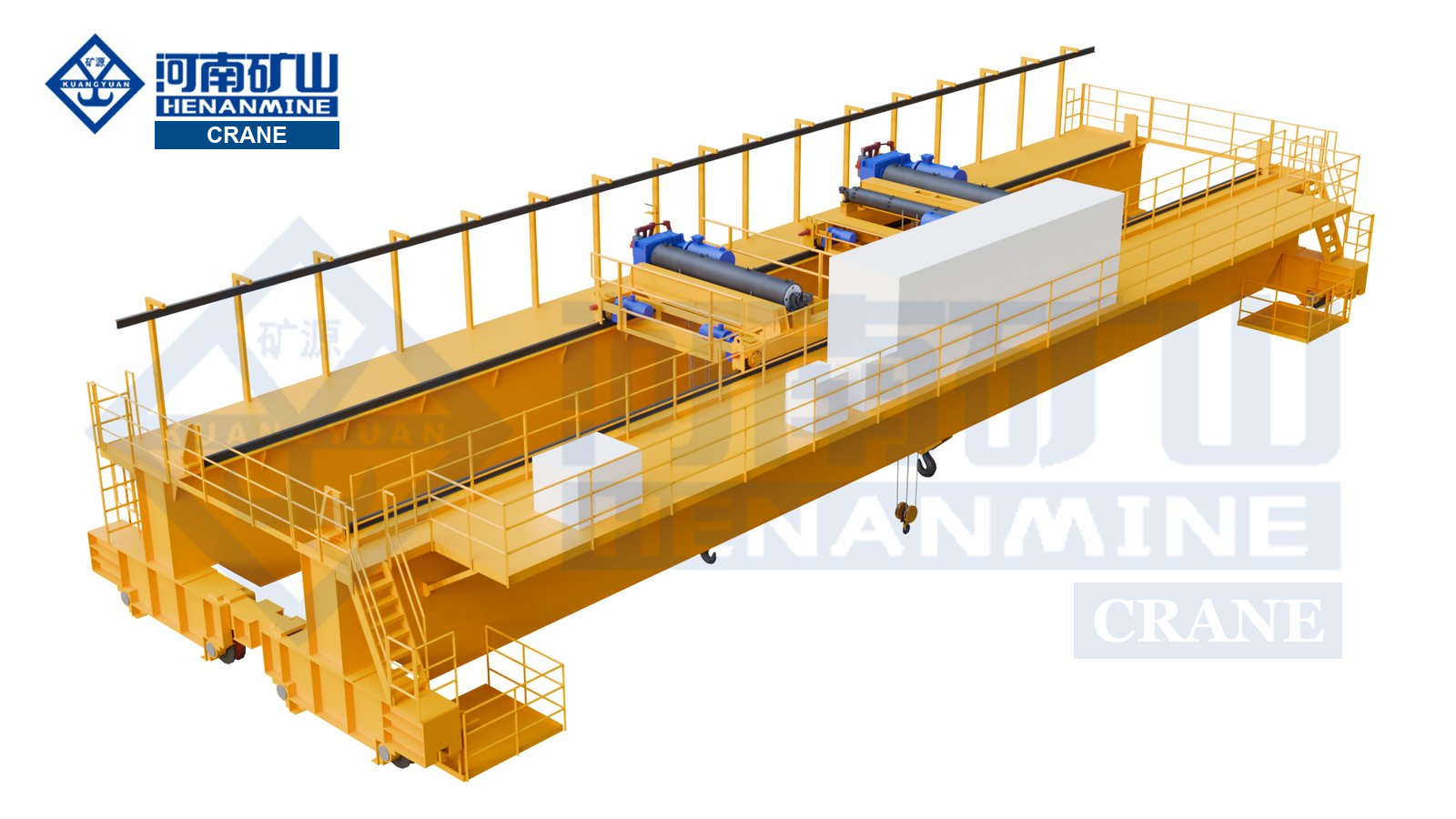
| Trolley arrangement | Two independent lifting trolleys |
| Operating modes | Individual or approved coordinated operation |
| Electrical isolation | Insulating pads, sleeves and plates in the lifting connections |
| Motion control | Controlled hoisting and travel for careful load placement |
Published selection ranges are configuration dependent. Rated load, span, height, speed and duty are confirmed together in the project drawing.
Price guide
Request a configuration-specific price for this crane. The quotation is based on the lifting task, site dimensions and the equipment scope below.
What affects the price?
- Load rating, process voltage and isolation arrangement
- Thermal exposure, contamination and inspection requirements
- Motion controls, electrical supply and destination requirements
- Freight, runway structure, installation and commissioning scope
Typical configurations
Lifting arrangement
Two insulated trolley lifting systems
Define the separate and combined lifting tasks required by the process.
Coordinated control
Encoder feedback and CI-card inverter control
Specify the permitted trolley combinations and relative-motion requirements.
Electrical isolation
Insulation at designated lifting and mechanical interfaces
Agree insulation boundaries and acceptance requirements for the working environment.
Final capacity, dimensions and operating functions are agreed for your load and site.
Compare related models
Compare the lifting arrangement and site layout before choosing a model.
Configuration
Modern double-trolley crane for tandem handling and precision motion without the QYE electrical-insulation configuration.
Consider it when
Two lifting positions are required in a normal industrial electrical environment where dedicated crane insulation is unnecessary.
Configuration
Two trolley lifting systems combined with explosion protection for classified gas, vapor or combustible-dust areas.
Consider it when
The primary electrical safety requirement is hazardous-area explosion protection rather than isolation from energized process equipment.
Configuration
Insulated overhead crane centered on a project-specific insulated hook lifting system rather than two independent trolley positions.
Consider it when
Electrical isolation is required, but one primary lifting position can satisfy the process.
Information for your quotation
Provide system voltage, process electrical conditions, required isolation boundaries and acceptance tests. Include temperature, corrosive agents and cleaning or maintenance conditions.
Send load drawings, centers of gravity, lifting-point reactions, trolley spacing, span and hook heights. State working cycles, coordinated-control requirements, power supply and the process handover sequence.
Frequently asked questions
How is insulation performance specified?
Define process voltage, isolation locations and required verification with the plant electrical requirements. A model name alone does not establish the protection level.
Can the trolleys work independently?
The required independent and coordinated modes are configured with agreed load limits and operating zones.
Does insulation need maintenance?
Inspection and cleaning access should be planned. Heat, deposits and contamination can affect the condition of insulating interfaces.
Product views and components