Where it is used
Chemical processing
Lift process equipment and maintenance parts within a defined hazardous-area classification.
Petroleum and gas facilities
Handle machinery and components where the site classification requires suitable explosion protection.
Classified material handling
Move production materials using electrical and mechanical protection matched to the actual substance and area.
Product features
Hazard-matched equipment
Motors, controls and electrical accessories are selected for the specified hazardous atmosphere. Each trolley rating and permitted combined operation are defined separately in the approved load chart.
Mechanical ignition control
Travel components and contact points are evaluated for spark and friction risks.
Application-specific approval
Protection markings and required conformity documents are agreed for the destination and installation area.
Technical specifications
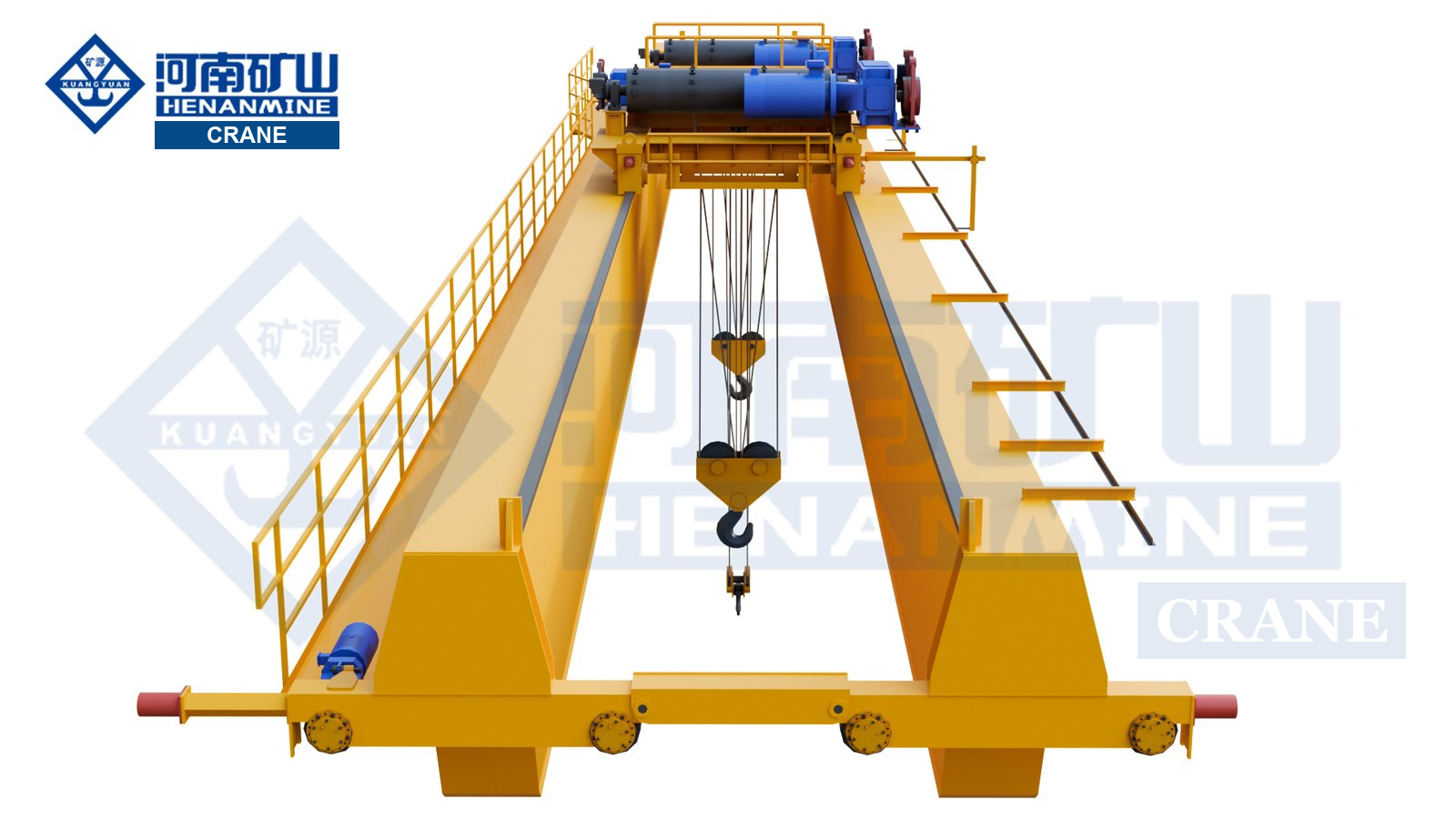
Model: QBE
| Model | QBE |
|---|---|
| Lifting capacity | 20+20t (customizable) |
| Span | 10m – 35m |
| Lifting height | 6m – 30m |
| Control method | Cabin/ground handle/wireless remote/PLC linkage |
| Working duty | A4 – A6 |
| Hoisting speed | 1m/min – 8m/min |
| Crane travel speed | 10m/min – 30m/min |
| Trolley travel speed | 8m/min – 25m/min |
| Power supply | 380V/50Hz; 220V-660V/60Hz |
| Protection level | IP55 (IP65 optional) |
Published selection ranges are configuration dependent. Rated load, span, height, speed and duty are confirmed together in the project drawing.
Price guide
Request a configuration-specific price for this crane. The quotation is based on the lifting task, site dimensions and the equipment scope below.
What affects the price?
- Rated load, lifting attachment and duty cycle
- Bridge span, lifting height and runway length
- Motion controls, electrical supply and destination requirements
- Freight, runway structure, installation and commissioning scope
Typical configurations
Lifting Attachment
Hook or project-specific lifting attachment
Match the pickup method to the material, load geometry and handling sequence.
Double-Trolley Control
Encoder + CI-card inverter technology
Define coordinated operating modes and the permitted relative movement between the lifting points.
Trolley Quantity
Two trolley lifting positions
State each trolley reaction, lifting-point spacing and permitted independent or combined tasks.
Final capacity, dimensions and operating functions are agreed for your load and site.
Related project experience

Related hazardous-area lifting project
Coordinated heavy lifting in aerospace propulsion production
- Two 160t lifting systems for large aerospace propulsion components.
- Coordinated handling of long, high-value loads.
- Explosion protection is part of the project specification.
The documented project uses a specialized high-capacity arrangement. Trolley layout, individual and combined lifting modes, and hazardous-area protection must be specified for your installation.
View project detailsCompare related models
Compare the lifting arrangement and site layout before choosing a model.
Configuration
Two-trolley general industrial overhead crane with modern motion-control and tandem-lifting functions but without an inherent explosion-proof requirement.
Consider it when
Two lifting positions are required in a normal industrial environment and hazardous-area protection is unnecessary.
Configuration
Single lifting position on a roof-supported underhung crane instead of two trolleys on a conventional overhead bridge.
Consider it when
Hazardous-area lifting requires a clear floor and building-supported suspended runway, but two lifting points are unnecessary.
Configuration
Ground-supported rail-mounted gantry crane with explosion-proof electric hoist rather than an overhead bridge supported by workshop runways.
Consider it when
Hazardous-area lifting is required where a suitable overhead runway is unavailable or a ground-supported gantry arrangement fits the site better.
Plan your crane specification
Provide a load drawing with overall dimensions, weight, centre of gravity and lifting-point locations. Include each trolley's heaviest independent lift and the required tandem or turning operations, identifying any stage where the load distribution changes.
Add the runway span and length, roof and hook elevations, minimum distance between lifting points and required travel envelope. State operating frequency, shifts, positioning requirements and operator location.
For the classified area, send the classification schedule, hazardous-medium information and required certification basis. A proposed lifting sequence and building layout help establish both the mechanical arrangement and control scope.
Frequently asked questions
Can the trolleys operate separately?
Yes, the two systems can be configured for independent work as well as coordinated lifting. Identify which tasks require individual control and which require joint operation in the enquiry.
Can each trolley be rated at half the total load?
Only when the calculated lifting-point reactions support that choice. An offset centre of gravity or changing load angle can place more than half the load on one trolley.
What synchronisation accuracy is available?
The requirement must be defined for the load and handling process. State the acceptable height difference and inclination so the proposed control system can be evaluated against a clear acceptance criterion.
Product views and components