


Where it is used
Hazardous production areas
Handle materials and equipment in an area with a defined explosion-risk classification.
Maintenance operations
Lift machinery and components during approved maintenance activities.
Protected loading areas
Serve designated loading positions where a suitable explosion-protected crane is required.
Product features
Explosion-protected lifting
The hoist and electrical package must match the declared hazardous-area requirements.
Hook handling
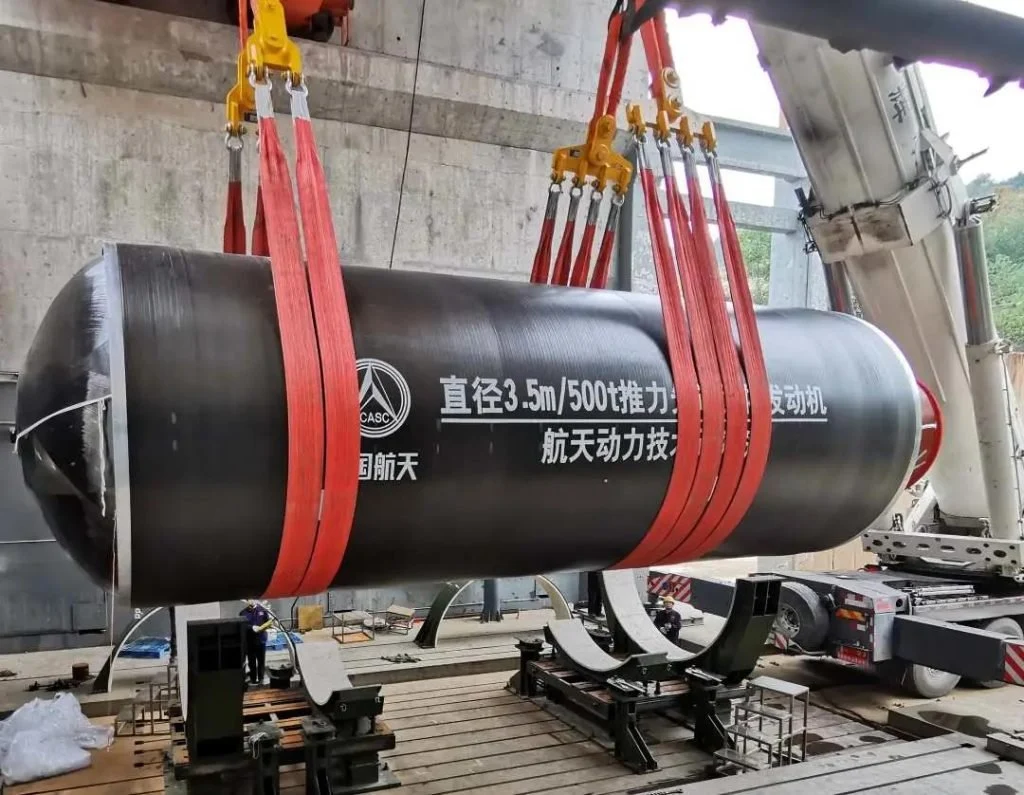
Use approved hooks and rigging for the complete suspended load.
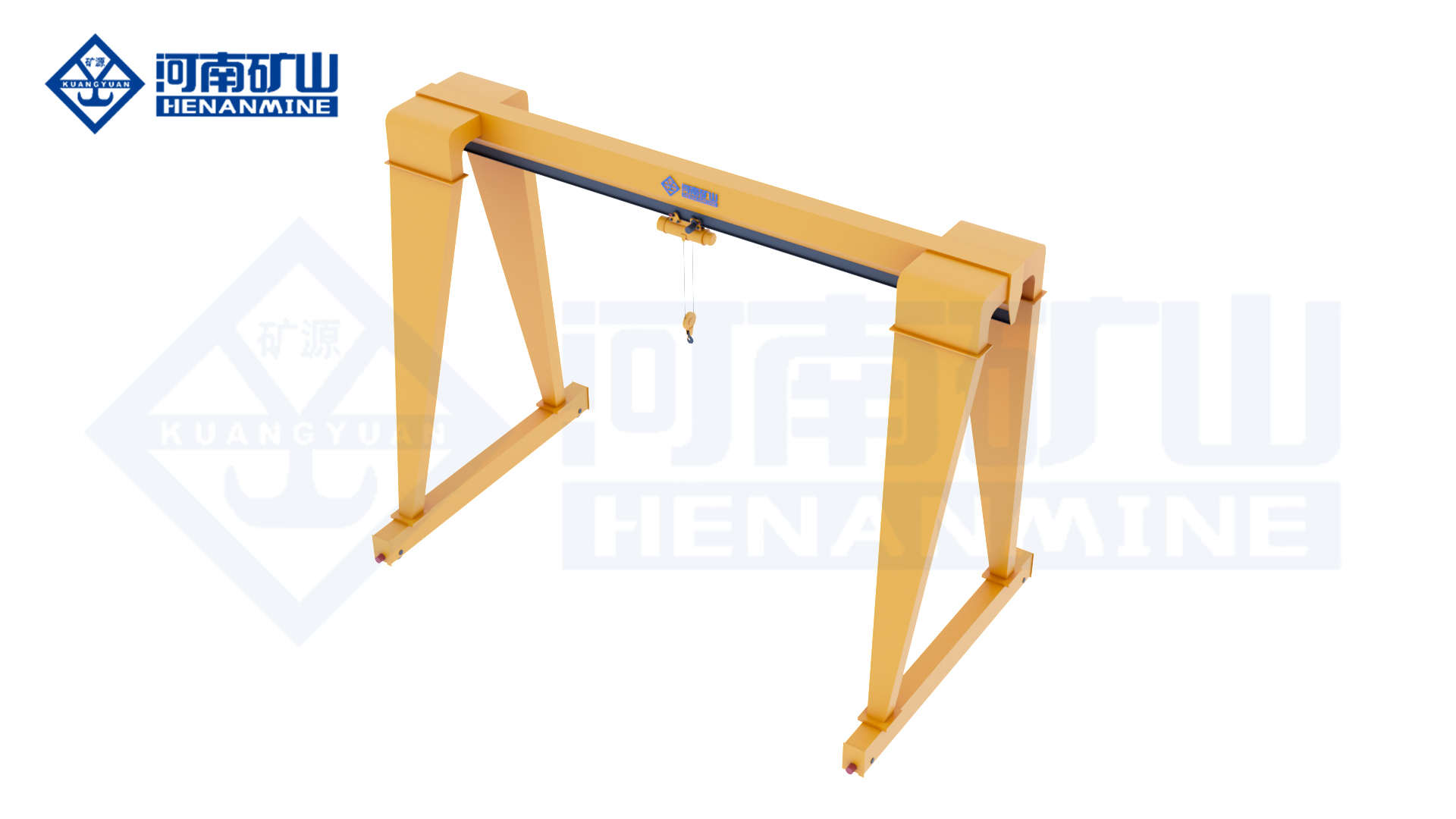
Compact gantry arrangement
A straightforward supporting frame suits repeated material-transfer tasks.
Technical specifications
Model: BMH
BMH — published hnkscrane.net selection reference
Published selection reference from hnkscrane.net for the named model. These are separate catalogue options, not one guaranteed combination. Your rated load, dimensions, duty and speeds are confirmed together in the quotation and approval drawing.
| Reference capacity options | 0.5 / 1 / 2 / 3 / 5 / 10 t |
|---|---|
| Reference span | Approx. 3–22 m |
| Reference lifting-height options | 6 m standard; 9 / 12 / 18 / 24 m optional |
| Reference crane-travel options | Approx. 20 m/min; VFD option 5–30 m/min |
| Reference trolley travel | Approx. 20 m/min |
Equipment arrangement
| Model | BMH |
|---|---|
| Lifting mechanism | Explosion-protected electric hoist |
| Working class | A3 |
| Travel arrangement | Ground-rail gantry travel |
| Lifting attachment | Hook |
| Control options | Ground / remote / cabin |
| Hazardous-area selection | Explosion-protection package matched to the declared gas or dust zone |
Published ranges depend on the selected configuration. Rated load, span, lifting height and duty are confirmed together in your quotation and approval drawing.
Price guide
An explosion-proof crane needs a defined hazardous-area classification and matched electrical and mechanical protection before a meaningful price can be prepared.
What affects the price?
- Complete suspended load and lifting attachment
- Span, hook height and required operating cycle
- Special process controls and environmental protection
- Runway, installation and destination supply scope
Typical configurations
Lifting Mechanism
Explosion-proof electric hoist
Select the lifting unit around the load, placement task and operating cycle.
Control Method
Cab / ground / remote according to project configuration
Select the operator position, visibility and control functions required for pickup, travel and placement.
Cantilever
Optional outside the gantry legs
Check useful hook coverage, clearances and support reactions on your site layout.
Final capacity, dimensions and operating functions are agreed for your load and site.
Compare related models
Compare the lifting arrangement and site layout before choosing a model.
Configuration
Explosion-proof wire-rope hoist supplied as the lifting mechanism rather than a complete freestanding gantry crane.
Consider it when
An existing crane, trolley beam or monorail requires a project-specific explosion-proof hoisting unit.
Configuration
Suspended explosion-proof crane carried from the building / roof structure without ground-supported gantry legs.
Consider it when
Floor space must remain clear and a suitable roof or building structure is available to support the suspended runway.
Configuration
General electric-hoist gantry crane without a dedicated hazardous-area explosion-protection configuration.
Consider it when
The operating area is not classified as hazardous and a conventional electric-hoist gantry crane satisfies the lifting requirement.
Plan your crane specification
Provide a plan showing the rail positions, travel length, required hook coverage, loading stations and nearby structures. Mark the desired cantilever side and reach, if required, and include the highest and lowest hook positions.
State the maximum complete suspended load, typical handling cycle, attachment weight and working hours. Add available rail and foundation information, electrical supply details and any access restrictions during installation.
Include the area classification schedule, hazardous substances and environmental conditions. For outdoor service, describe wind and weather exposure so the crane, power supply and site interfaces can be specified for the actual location.
Frequently asked questions
Can the BMH be supplied without a cantilever?
Yes. Select a cantilever only where outside-span lifting is required. Its reach and permitted loads must form part of the crane design rather than being added after the working area is fixed.
Does the gantry eliminate foundation work?
No. The gantry carries its loads to the ground rails and foundations. Their capacity, alignment and condition must be checked against the proposed wheel reactions and operating layout.
Is A3 suitable for continuous production?
Suitability depends on the actual load spectrum and operating cycle. Provide lifts per hour, shift pattern and typical loads so the duty requirement can be assessed.
Product views and components