

Where it is used
Chemical processing
Lift process equipment and maintenance parts within a defined hazardous-area classification.
Petroleum and gas facilities
Handle machinery and components where the site classification requires suitable explosion protection.
Classified material handling
Move production materials using electrical and mechanical protection matched to the actual substance and area.
Product features
Hazard-matched equipment
Motors, controls and electrical accessories are selected for the specified hazardous atmosphere.
Mechanical ignition control
Travel components and contact points are evaluated for spark and friction risks.
Application-specific approval
Protection markings and required conformity documents are agreed for the destination and installation area.
Technical specifications
Model: LHB
| Model | LHB |
|---|---|
| Lifting capacity | 1t – 10t |
| Span | 7.5m – 28.5m |
| Lifting height | 6m – 20m |
| Working duty | A3 – A5 |
| Hoisting speed | 2m/min – 10m/min |
| Crane travel speed | 15m/min – 30m/min |
| Control method | Explosion-proof ground handle / wireless remote |
| Power supply | 380V/50Hz; 220V-660V/60Hz |
| Protection level | IP54 (IP65 optional) |
Published selection ranges are configuration dependent. Rated load, span, height, speed and duty are confirmed together in the project drawing.
Price guide
Request a configuration-specific price for this crane. The quotation is based on the lifting task, site dimensions and the equipment scope below.
What affects the price?
- Rated load, lifting attachment and duty cycle
- Bridge span, lifting height and runway length
- Motion controls, electrical supply and destination requirements
- Freight, runway structure, installation and commissioning scope
Typical configurations
Lifting Mechanism
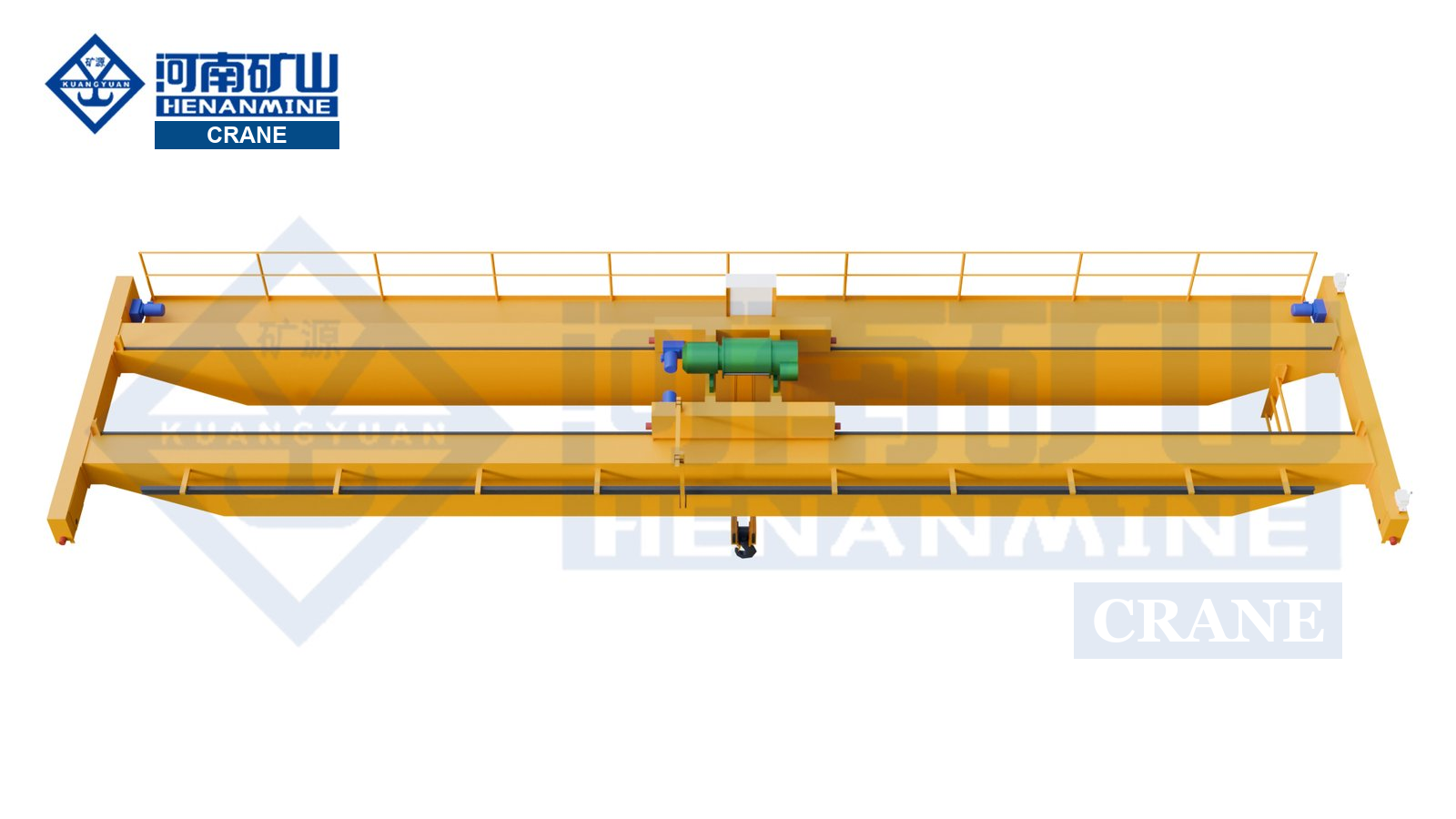
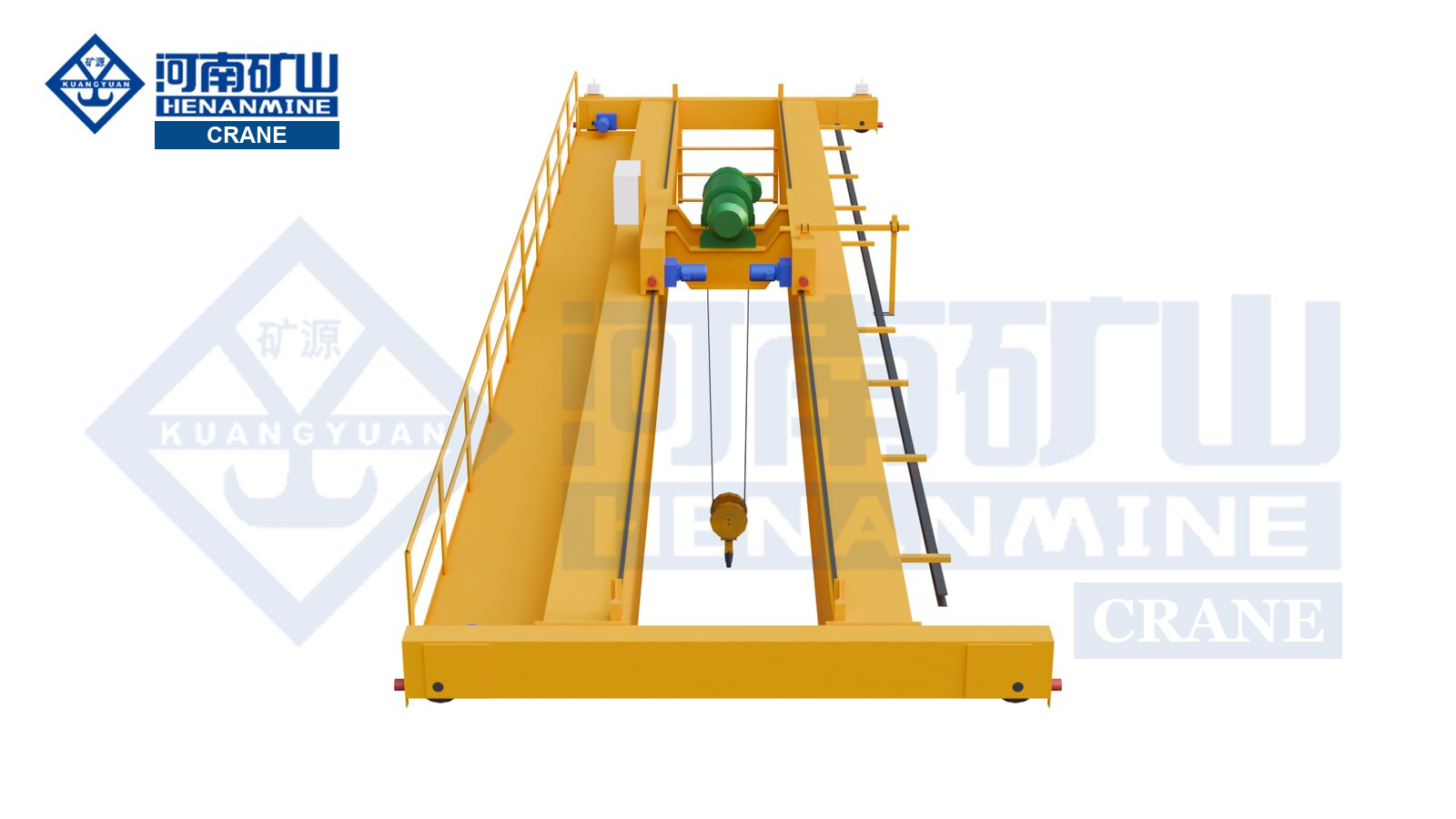
Explosion-proof electric hoist mounted on a trolley frame
Select the lifting unit around the load, placement task and operating cycle.
Bridge Configuration
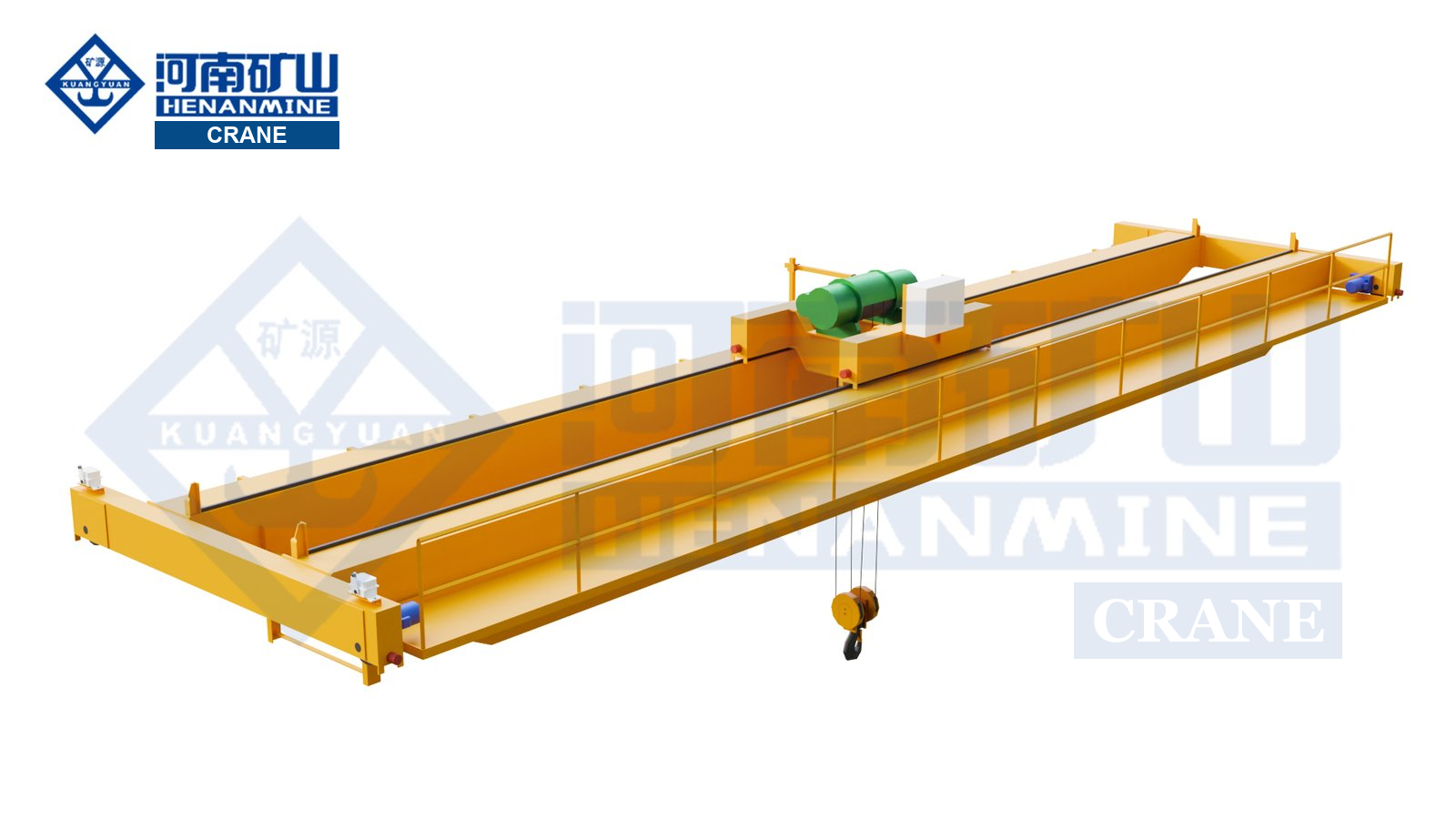
Double-girder overhead bridge
Match this arrangement to the load and the complete handling route.
Trolley Arrangement
Low-headroom seated electric-hoist trolley
Plan the lifting positions and load distribution for the workpiece.
Final capacity, dimensions and operating functions are agreed for your load and site.
Related project experience

Related clean explosion-proof project
Clean and protected lifting for a polysilicon plant
- 54 cranes supplied across the Hongyuan Energy plant package.
- Clean explosion-proof electric-hoist double-girder cranes.
- Documented configurations include 32t, 25/10t and 10t units.
Protection and cleanliness are selected for each production zone. Confirm both the approved hazardous-area classification and the contamination-control requirement for your crane.
View project detailsCompare related models
Compare the lifting arrangement and site layout before choosing a model.
Configuration
Full explosion-proof bridge-crane platform with a project-specific trolley hoisting system rather than the LHB seated electric-hoist arrangement.
Consider it when
The lifting process requires a conventional explosion-proof bridge-crane trolley platform and low self-weight or electric-hoist headroom is not the primary design driver.
Configuration
Single-girder electric-hoist bridge with a simpler and lighter structural arrangement.
Consider it when
Capacity, span, duty and hook-space requirements can be satisfied by a single-girder explosion-proof crane.
Configuration
Uses two explosion-protected lifting trolleys capable of independent or coordinated operation.
Consider it when
Long vessels, modules or complex loads require two separated lifting positions or tandem lifting in a hazardous area.
Plan your crane specification
Send a workshop cross-section showing roof obstructions, runway elevation and the required highest and lowest hook positions. Include span, travel length, available maintenance access and any limits on bridge weight or wheel loading.
For the lifting task, provide the maximum complete suspended load, typical load, daily operating cycle and attachment details. For the classified area, include the relevant zone or division, gas or dust information, temperature limits and required compliance documentation.
These inputs allow the proposed crane dimensions, structural interfaces and protection scope to be checked together before equipment is ordered.
Frequently asked questions
Can the LHB improve lifting height in an existing workshop?
Its low-headroom trolley can help recover usable hook height. The result depends on the roof, runway elevation, bridge depth and hook block; confirm the proposed arrangement against a dimensioned workshop cross-section.
Is one protection specification suitable for every classified area?
No. Gas and dust properties, area classification, temperature limits and the required approval basis determine the protection specification. State the actual installation conditions when requesting a proposal.
Does the crane need a new runway?
An existing runway may be usable after its strength, alignment and allowable wheel reactions have been checked against the selected crane and operating load.
Product views and components