Where it is used
Chemical processing
Lift process equipment and maintenance parts within a defined hazardous-area classification.
Petroleum and gas facilities
Handle machinery and components where the site classification requires suitable explosion protection.
Classified material handling
Move production materials using electrical and mechanical protection matched to the actual substance and area.
Product features
Hazard-matched equipment
Motors, controls and electrical accessories are selected for the specified hazardous atmosphere.
Mechanical ignition control
Travel components and contact points are evaluated for spark and friction risks.
Application-specific approval
Protection markings and required conformity documents are agreed for the destination and installation area.
Technical specifications
Model: LXB
| Model | LXB |
|---|---|
| Lifting capacity | 1t – 10t |
| Span | 7.5m – 28.5m |
| Lifting height | 6m – 20m |
| Working duty | A3 – A5 |
| Hoisting speed | 2m/min – 10m/min |
| Crane travel speed | 15m/min – 25m/min |
| Control method | Dust explosion-proof ground handle / wireless remote |
| Power supply | 380V/50Hz; 220V-660V/60Hz |
| Protection level | IP65 |
Published selection ranges are configuration dependent. Rated load, span, height, speed and duty are confirmed together in the project drawing.
Price guide
Request a configuration-specific price for this crane. The quotation is based on the lifting task, site dimensions and the equipment scope below.
What affects the price?
- Rated load, lifting attachment and duty cycle
- Bridge span, lifting height and runway length
- Motion controls, electrical supply and destination requirements
- Freight, runway structure, installation and commissioning scope
Typical configurations
Lifting Mechanism
Dust explosion-proof electric hoist
Select the lifting unit around the load, placement task and operating cycle.
Bridge Configuration
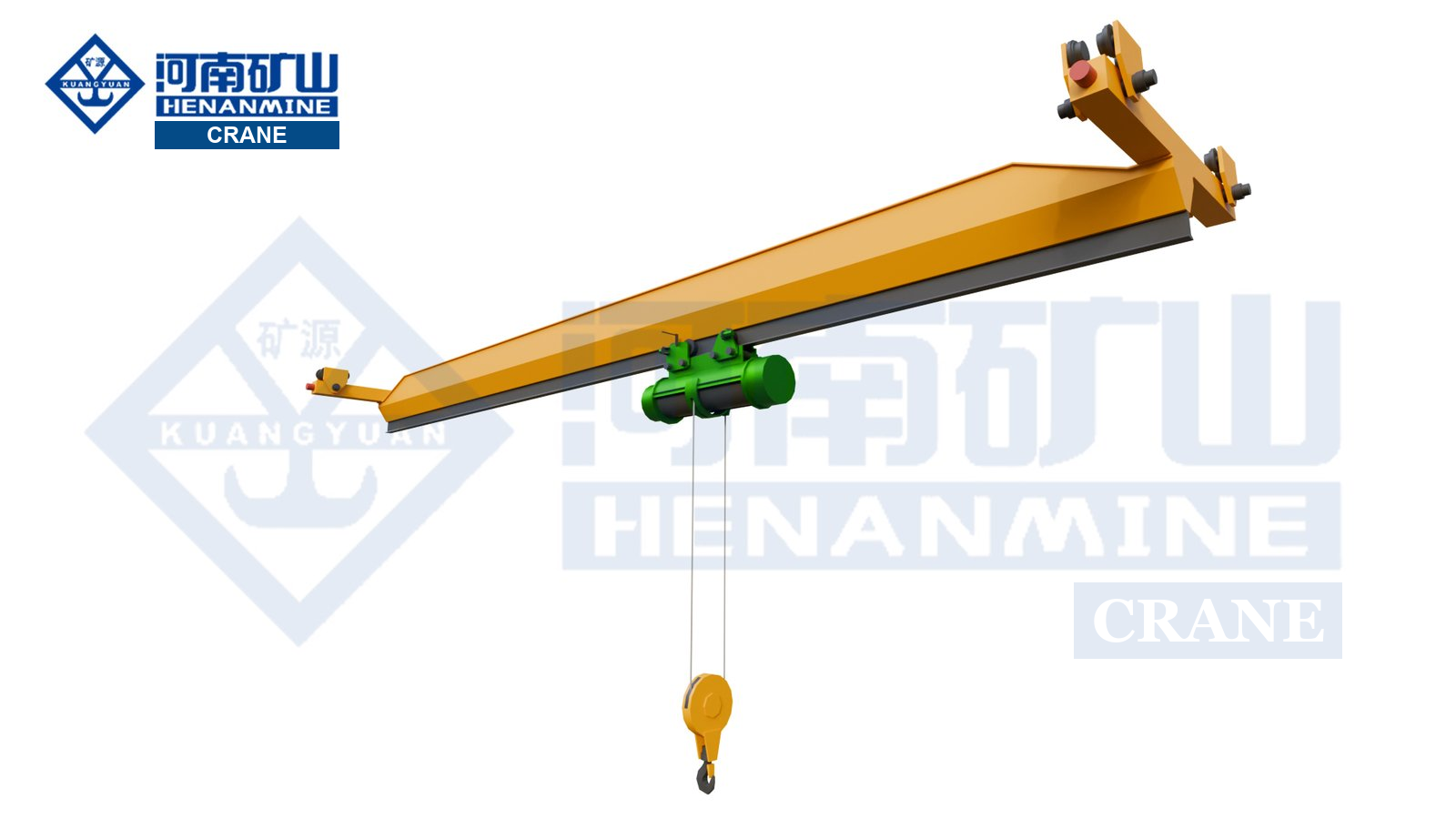
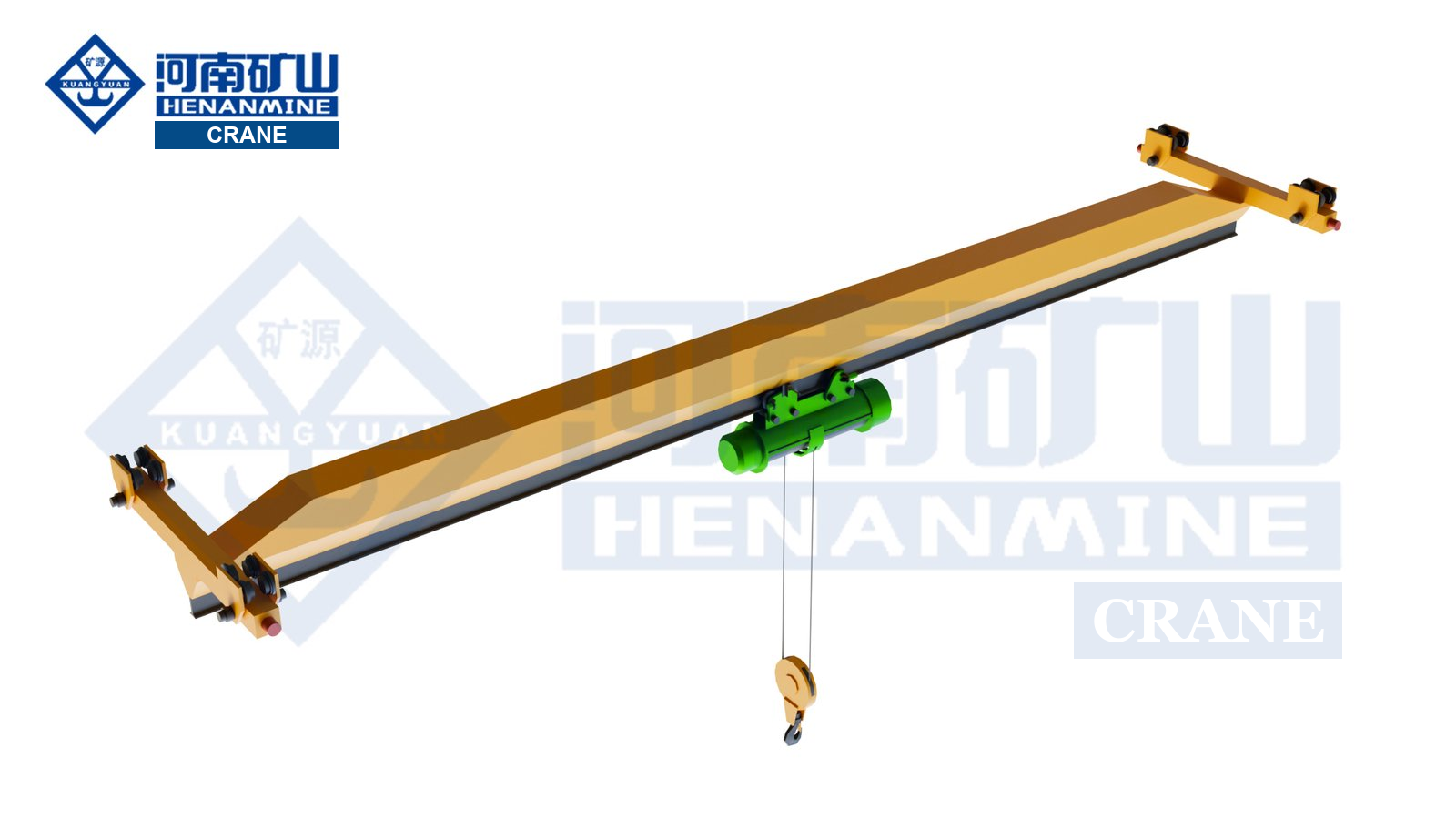
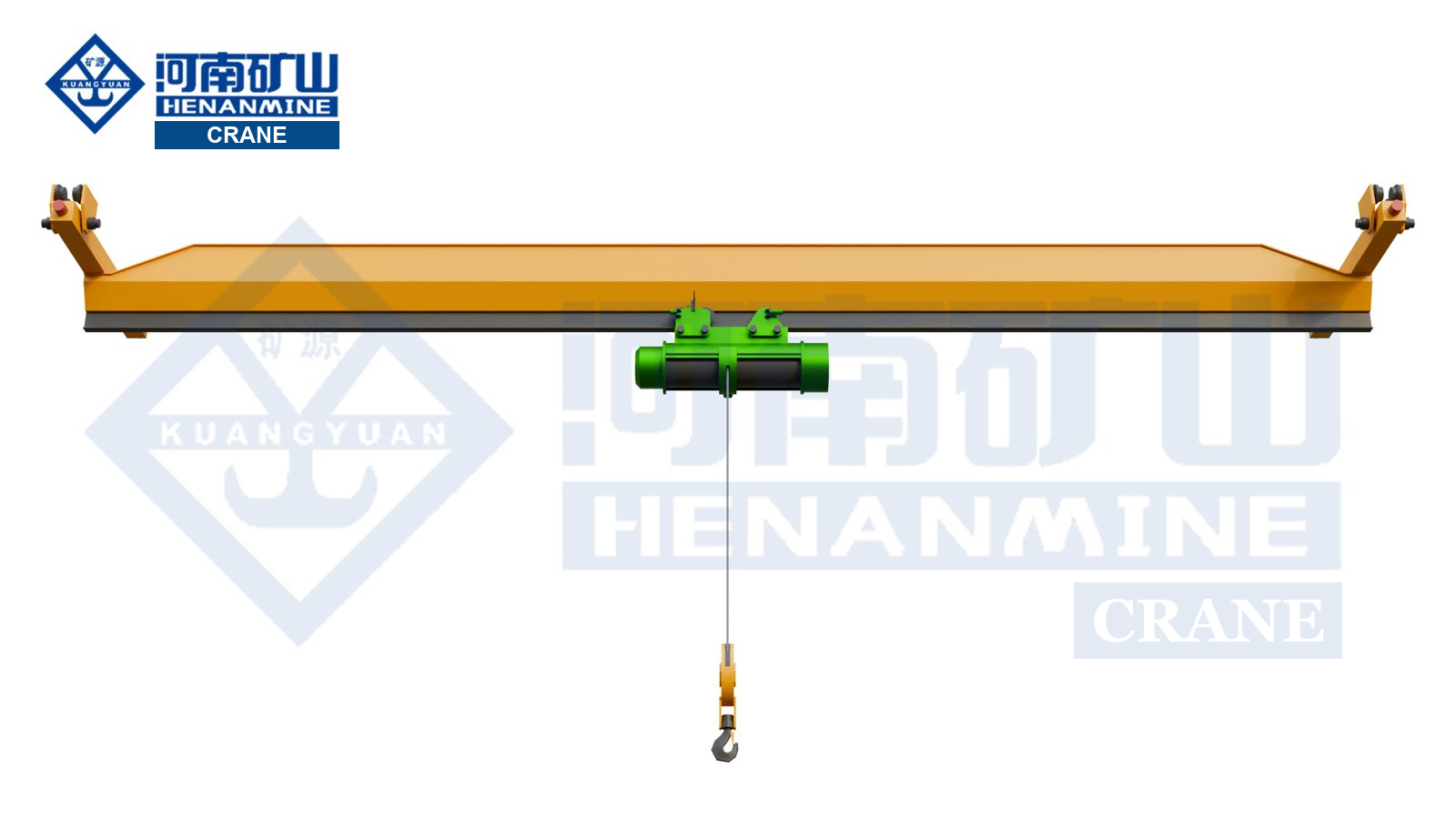
Underhung single-girder suspension bridge
Match this arrangement to the load and the complete handling route.
Runway System
Roof-supported / building-supported suspended runway
Check useful hook coverage, clearances and support reactions on your site layout.
Final capacity, dimensions and operating functions are agreed for your load and site.
Related project experience
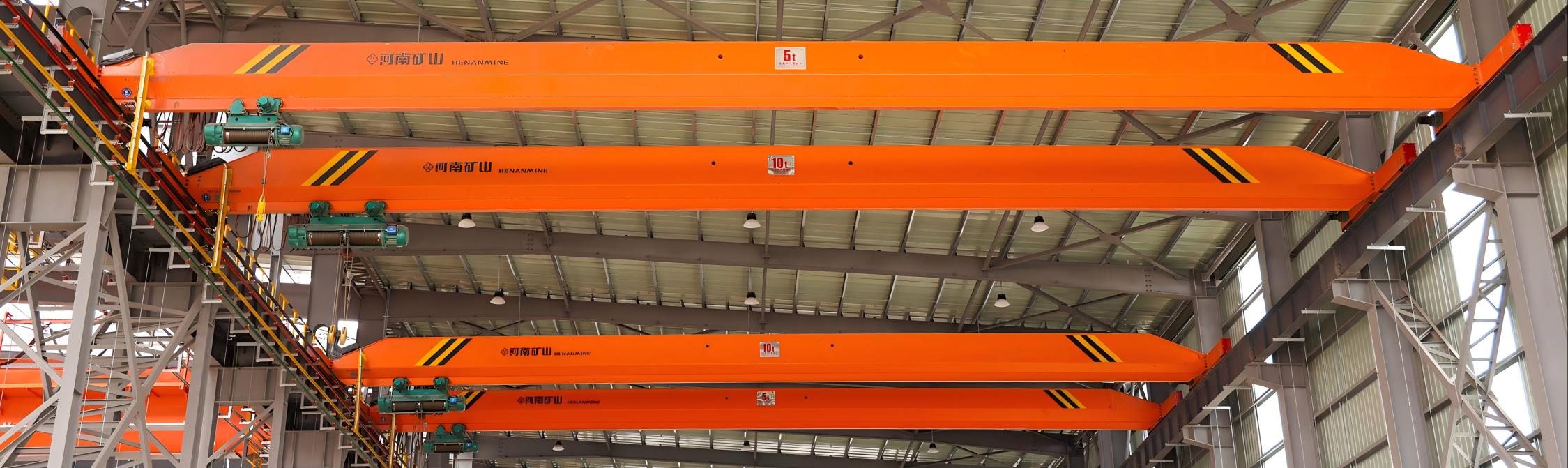
Related combustible-dust project
Protected lifting around combustible process dust
- Dust explosion-proof single-girder cranes serve specialized production bays.
- 10t grab cranes handle powder and bulk materials.
- Part of a 54-crane package for Hongyuan Energy.
This project demonstrates a dust-hazard application. Suspended support geometry and gas or dust protection are separate design inputs and must match your building and approved area classification.
View project detailsCompare related models
Compare the lifting arrangement and site layout before choosing a model.
Configuration
Suspension crane with an explosion-proof electric hoist configured for classified flammable-gas or vapor environments rather than specifically for combustible dust.
Consider it when
The primary hazardous medium is classified gas or vapor instead of combustible dust.
Configuration
Uses multiple suspended runway and travel positions to cover an ultra-wide building while incorporating project-specific explosion protection.
Consider it when
The classified workshop is too wide for a conventional two-runway suspension layout and requires distributed multi-point support.
Configuration
Modern non-explosion-proof suspended crane with dual-speed lifting and variable-frequency stepless travel for controlled positioning.
Consider it when
The workshop is not dust-classified and smooth VFD travel and precision positioning are more important than explosion protection.
Information for your quotation
Provide dust material, area classification, relevant temperature limits and required acceptance documentation. Include process conditions and cleaning practices.
Send load, span, runway length, lifting height and operating cycle. Share roof or frame drawings, support spacing, power supply and equipment layout. Mark ducts, conveyors and other obstructions within the crane envelope.
Frequently asked questions
Is any explosion-proof hoist suitable?
No. The selected protection must match the dust hazard, classified area and temperature requirements.
Can it hang from an existing roof?
Only after the roof and suspension arrangement are checked for the proposed crane reactions and movements.
Does dust protection eliminate cleaning?
No. Cleaning and inspection requirements remain part of the plant procedure and should be considered in equipment access and installation.
Product views and components