

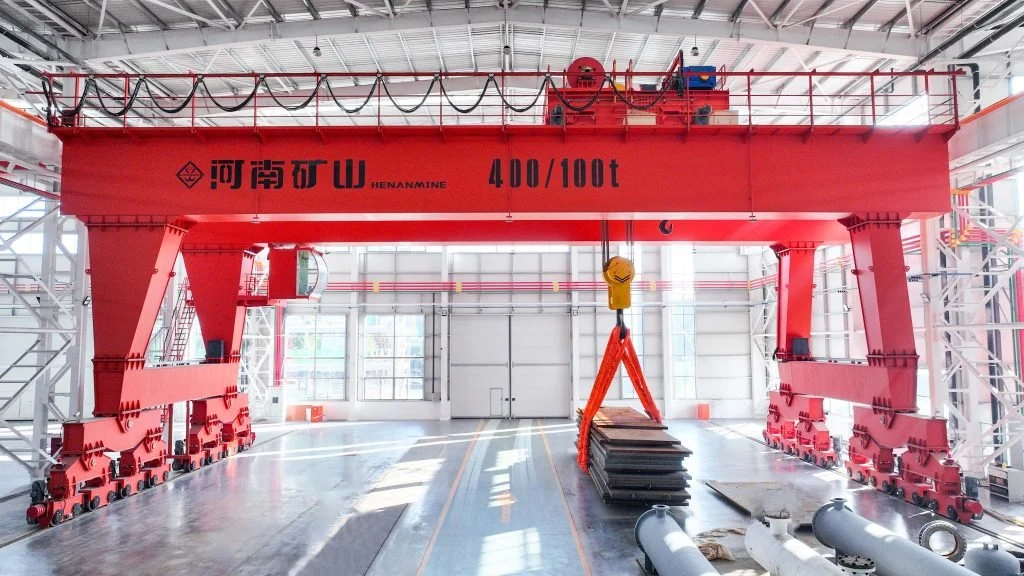

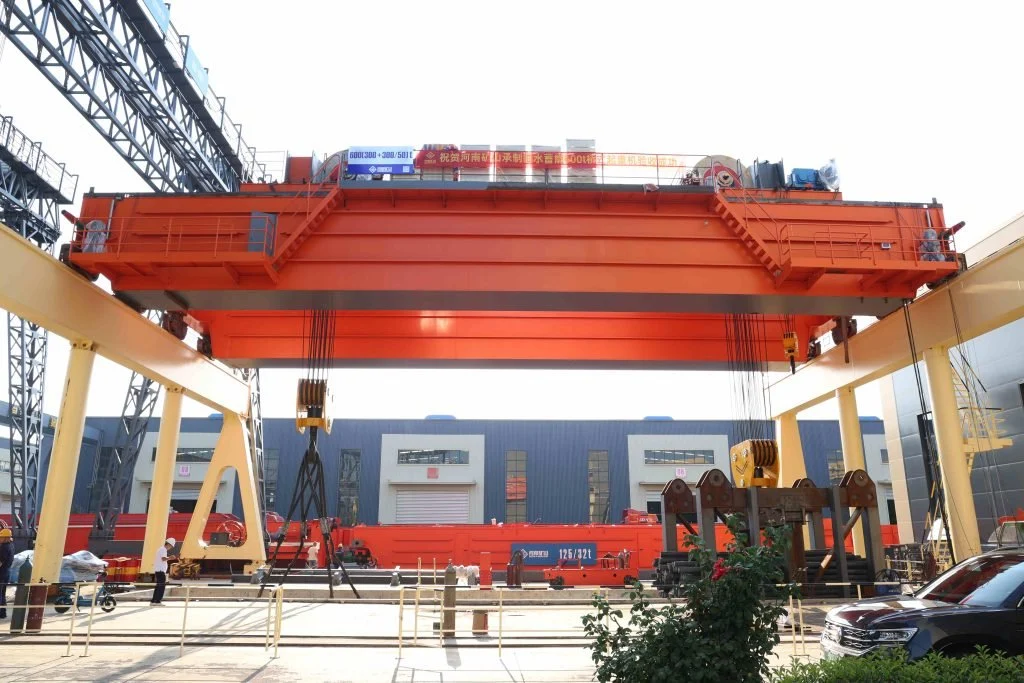

Where it is used
Long fabricated components
Support beams, shafts or frames at two lifting points using an approved load-sharing arrangement.
Machinery assembly
Use separate hooks for component positioning and controlled alignment during assembly.
Equipment maintenance
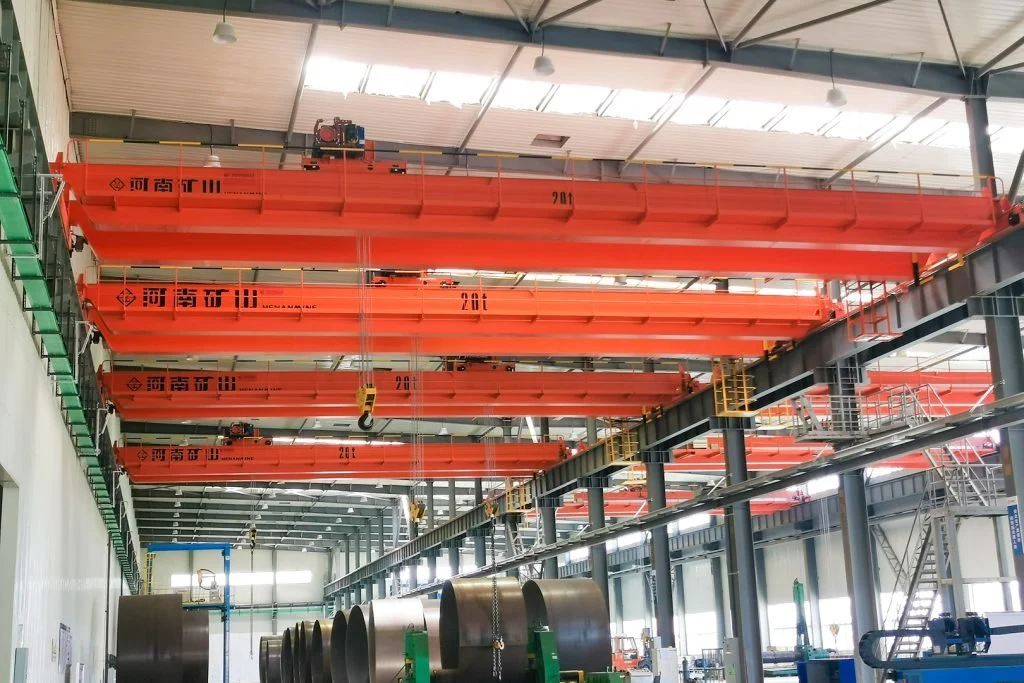
Handle large rollers or machinery parts with lifting points spaced along the load.
Product features
Independent trolley operation
Each trolley can serve an individual lifting task within the approved crane loading limits. Each trolley rating and permitted combined operation are defined separately in the approved load chart.
Coordinated handling
The selected control arrangement can coordinate hoisting and travel for an engineered lifting procedure.
Flexible lifting points
Trolley spacing can be adjusted to suit the workpiece and rigging geometry.
Technical specifications
Model: LHE
| Model | LHE |
|---|---|
| Trolley arrangement | Two electric-hoist lifting trolleys |
| Operating modes | Independent or coordinated operation within approved limits |
| Hoist type | Compact wire-rope electric hoists |
| Travel control | Soft-start or variable-frequency travel arrangement |
| Coordinated control | Encoder-based trolley coordination |
| ANTOP LHE paired trolley-rating range | 5+5–20+20 t |
| ANTOP LHE reference span | 7.5–31.5 m |
| ANTOP LHE reference lifting height | 6–30 m |
| ANTOP LHE reference working duty | A3 |
| ANTOP LHE reference dual-speed hoisting options | 8/0.8 to 4/0.4 m/min |
| ANTOP LHE reference trolley travel speeds | 20 or 30 m/min |
Published selection ranges are configuration dependent. Rated load, span, height, speed and duty are confirmed together in the project drawing.
Price guide
Request a configuration-specific price for this crane. The quotation is based on the lifting task, site dimensions and the equipment scope below.
What affects the price?
- Rated load, lifting attachment and duty cycle
- Bridge span, lifting height and runway length
- Motion controls, electrical supply and destination requirements
- Freight, runway structure, installation and commissioning scope
Typical configurations
Lifting Mechanism
Two wire-rope electric-hoist trolleys
Select the lifting unit around the load, placement task and operating cycle.
Travel Control
Soft-start or variable-frequency control
Match transfer and final placement to the required operating sequence.
Lifting Attachment
Hook or project-specific special lifting attachment
Match the pickup method to the material, load geometry and handling sequence.
Final capacity, dimensions and operating functions are agreed for your load and site.
Related project experience

Related two-point lifting project
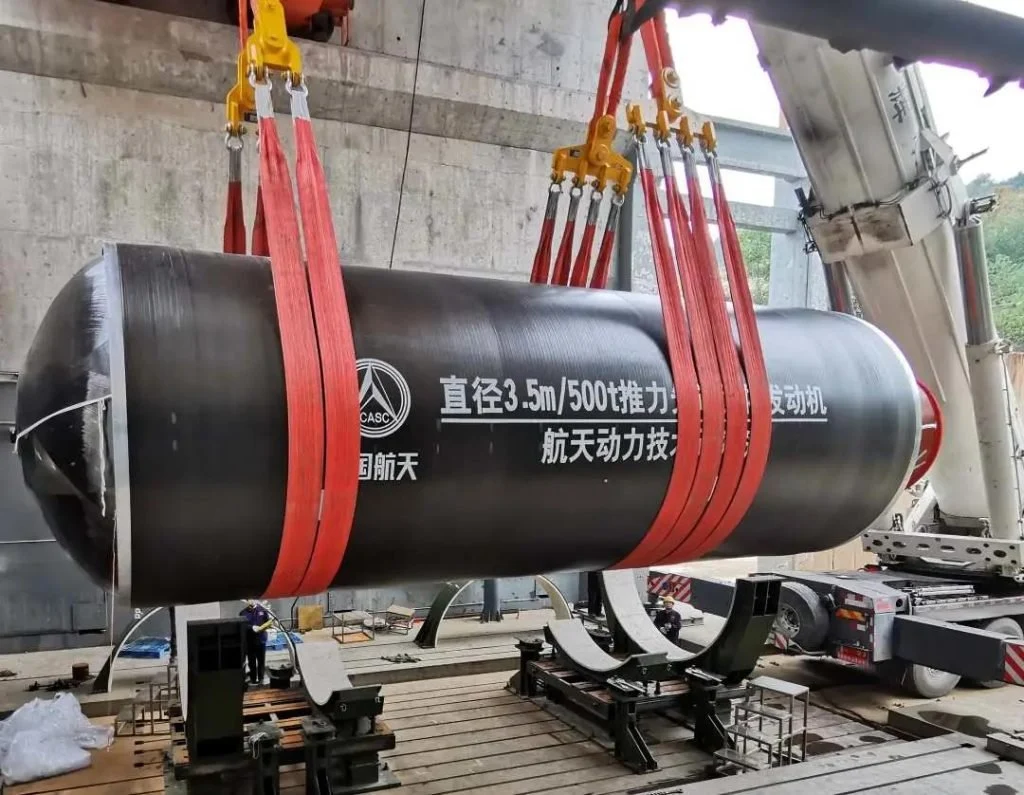
Two-point lifting for wind-turbine assembly
- 500t-class double-trolley, double-girder installation.
- Synchronized hooks and electrical anti-sway.
- Digital and video monitoring for assembly handling.
This heavy-duty installation illustrates two-point handling. Its hook ratings and hoisting mechanisms are specific to that project; your crane is selected around the load, lifting points and approved lifting sequence.
View project detailsCompare related models
Compare the lifting arrangement and site layout before choosing a model.
Configuration
Two seated electric-hoist trolleys with emphasis on low headroom, low crane self-weight and reduced wheel pressure.
Consider it when
Two lifting points are required but workshop height or allowable runway and building loads are major project constraints.
Configuration
Two new-type electric-hoist trolleys with dual-speed lifting, VFD travel, compact C-shaped hoists and coordinated load-turning capability.
Consider it when
Long-load assembly requires two lifting positions together with lower-speed positioning, load orientation control or a newer compact hoist platform.
Configuration
Uses one primary electric-hoist trolley rather than two independent lifting positions.
Consider it when
General machinery and component handling requires only one hook position and tandem lifting is unnecessary.
Information for your quotation
Provide total suspended weight and maximum individual hook reactions. Include a load drawing, center of gravity, lifting points, rigging and required trolley separation.
Send span, runway length, hook heights and building clearance. State independent and tandem duties, positioning tolerance, daily usage, power supply and operator control requirements.
Frequently asked questions
Can both trolleys operate independently?
Independent operation is part of the configuration concept. Confirm the permitted working zones and bridge loading in the agreed operating modes.
Is tandem load always split in half?
No. Actual reactions follow center of gravity and lifting geometry. Check each hoist and the bridge for the intended lift.
How closely can the hooks move together?
Minimum spacing and synchronization requirements depend on trolley geometry, attachments and the coordinated-control design.
Product views and components

