


Where it is used
Paper-machine maintenance
Handle large rolls and components during planned machine servicing.
Roll installation
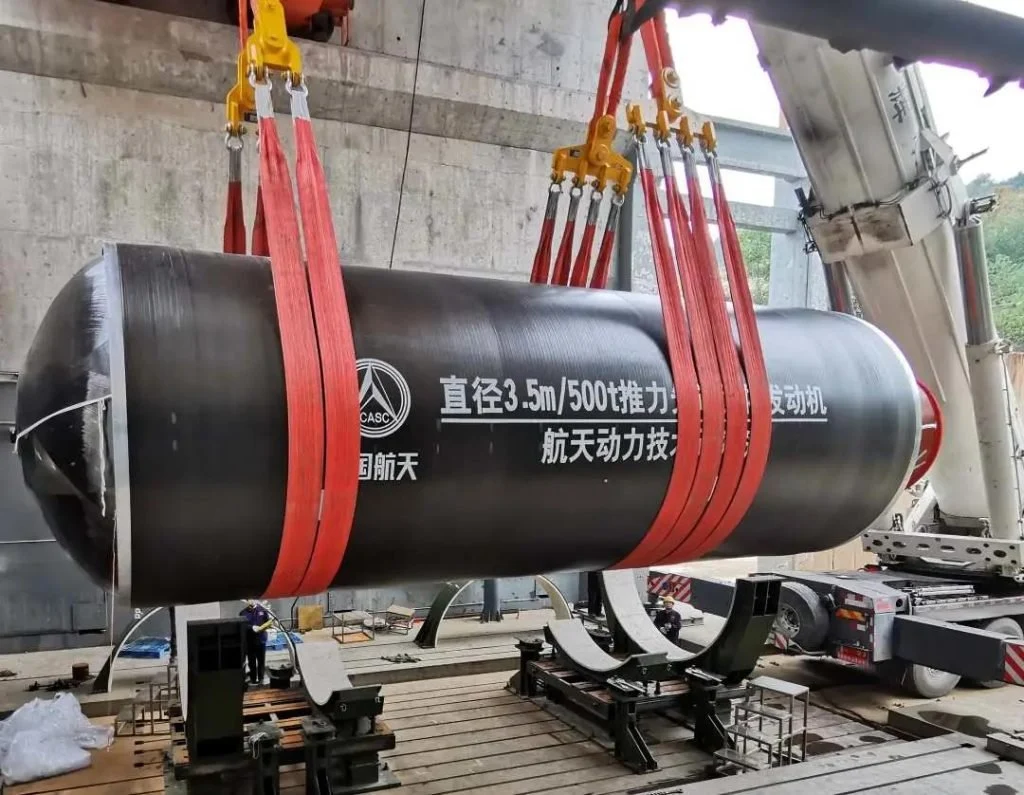
Position equipment with lifting points located at different positions along the component.
Heavy equipment assembly
Choose the approved trolley combination for each handling sequence.
Product features
Multiple lifting positions
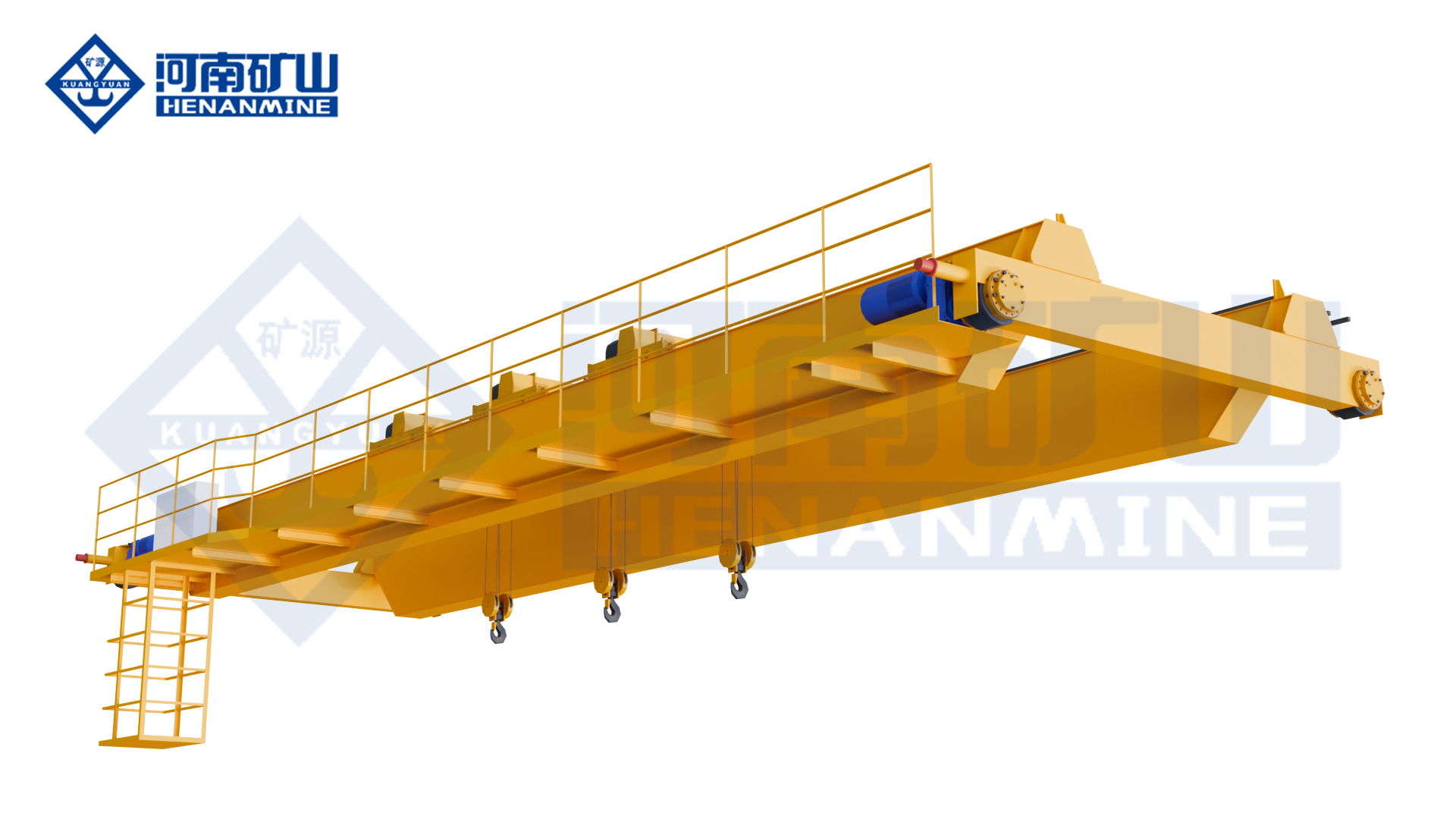
Three trolley positions support different maintenance and assembly lifting arrangements. Each trolley rating and permitted combined operation are defined separately in the approved load chart.
Selectable operating modes
Individual or paired operation follows the approved control logic and crane load limits.
Process control integration
Control interfaces can be specified to match the plant maintenance and production sequence.
Technical specifications
Model: KSSLS
| Model | KSSLS |
|---|---|
| Lifting capacity | 1 – 32 t |
| Span | 7.5 – 31.5 m |
| Lifting height | 6 – 30 m |
| Working duty | A5 – A6 |
| Trolley travel speed | 5 – 25 m/min |
| Crane travel speed | 10 – 30 m/min |
| Protection level | IP54 |
| Power supply | 220-690V, 50/60 Hz |
| Control method | Remote Control + Cabin Control |
Published selection ranges are configuration dependent. Rated load, span, height, speed and duty are confirmed together in the project drawing.
Price guide
Request a configuration-specific price for this crane. The quotation is based on the lifting task, site dimensions and the equipment scope below.
What affects the price?
- Rated load, lifting attachment and duty cycle
- Bridge span, lifting height and runway length
- Motion controls, electrical supply and destination requirements
- Freight, runway structure, installation and commissioning scope
Typical configurations
Lifting stations
Three new-type electric-hoist trolleys
Assign loads and work zones to each trolley and define permitted lifting combinations.
Motion control
Dual-speed lifting with variable-frequency travel
Specify transfer and placement speeds for independent and combined tasks.
Compact layout
C-shaped hoist arrangement
Check usable hook height, trolley spacing and end approaches against the building.
Final capacity, dimensions and operating functions are agreed for your load and site.
Compare related models
Compare the lifting arrangement and site layout before choosing a model.
Configuration
Two independent new-type electric-hoist trolley positions for tandem lifting, balanced turning or separate lifting tasks.
Consider it when
The load or process requires two lifting points, but a third maintenance or support position is unnecessary.
Configuration
One primary new-type electric-hoist lifting position with dual-speed hoisting, VFD travel and compact low-headroom architecture.
Consider it when
General workshop lifting requires one hook position and multi-point lifting is not part of the process.
Configuration
Uses multiple roof-supported suspension tracks to provide exceptionally wide building coverage rather than increasing the number of lifting trolleys on one conventional bridge.
Consider it when
The main requirement is ultra-wide suspended-crane coverage and an unobstructed production floor rather than three lifting positions.
Frequently asked questions
Are three equal trolley ratings enough to define a lift?
No. The actual load at each hook depends on geometry and center of gravity. The crane must cover the governing individual and combined load cases.
Is coordinated lifting standard for every task?
Define each required combination and its permissible relative movement. The mechanical arrangement, controls and operating case must be agreed together.
Product views and components