Where it is used
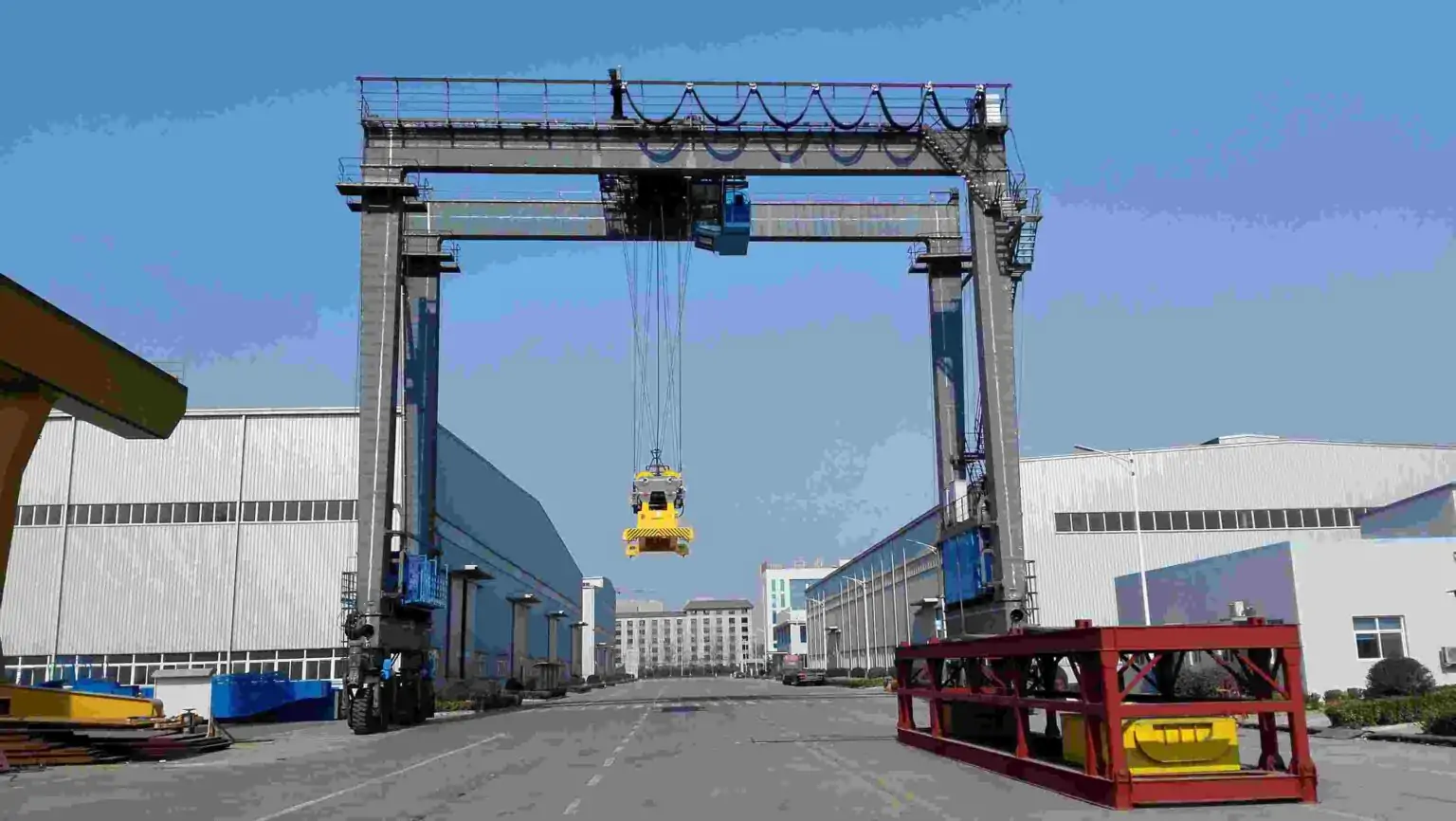
Container blocks
Stack, retrieve and reposition containers across the block.
Truck transfer
Exchange containers with trucks or terminal tractors beneath the gantry.
Flexible yards
Relocate between prepared working blocks when needed.
Product features
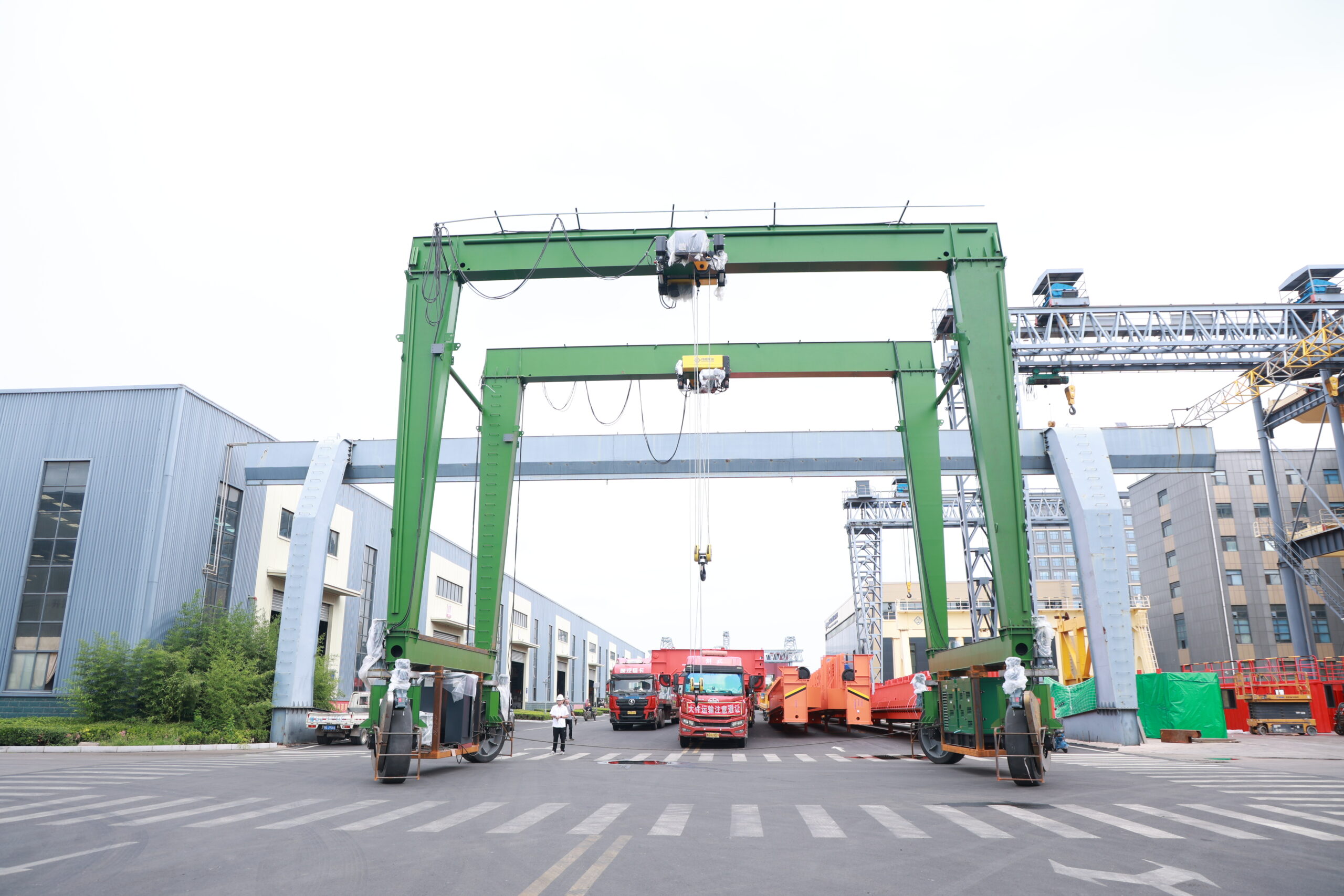
Block mobility
Rubber tyres support transfer between compatible paved areas.
Dense stacking
Span container rows and a transfer lane in the planned block.
Power choices
Choose diesel, hybrid or electrification around the energy and mobility plan.
Technical specifications
Reference range — Konecranes RTG product family
Konecranes container-yard RTG product-family reference. Capacity, width and stacking limits depend on the selected configuration; these are not Henan Mine Crane project ratings or industrial mobile-gantry specifications.
| Under-spreader capacity | Up to 65 t |
|---|---|
| Container rows | Up to 10 rows plus truck lane |
| Stacking clearance | Up to 1-over-6 |
| Power options | Diesel / hybrid / fully electric / battery |
Equipment arrangement
| Product type | Rubber-tyred container gantry |
|---|---|
| Travel system | Rubber tyres on terminal pavement |
| Cargo | ISO containers with matched spreader |
| Working block | Container rows plus vehicle lane |
| Relocation | Between compatible blocks |
| Power choices | Diesel, hybrid or electrified arrangement |
| Load control | Anti-sway and positioning options |
| Ground interface | Tyre reactions, pavement and transfer routes |
Price guide
Send container mass, spreader modes, container rows, stack tiers, transfer-lane layout and the block-relocation route for an RTG quotation.
What affects the price?
- Under-spreader rating and lifting modes
- Rows, stack height and lane width
- Tyre loads, steering and pavement
- Diesel, hybrid or electric power
- Duty, automation and delivery
Typical configurations
Container pickup
Container spreader for the specified container formats
Define standard, high-cube, reefer or other formats used in the operation.
Yard travel
Rubber-tired movement without a permanent crane rail
Check the loaded route and ground conditions across the working area.
Stacking layout
Gantry clearance matched to rows, tiers and transfer lanes
Use the terminal plan to establish the working envelope.
Final capacity, dimensions and operating functions are agreed for your load and site.
Compare related models
Compare the lifting arrangement and site layout before choosing a model.
Configuration
Rubber-tired gantry spans container rows and transfer lane while retaining block-to-block mobility.
Consider it when
Changing blocks, phased expansion or mobile yard reassignment has measurable value.
Configuration
Fixed rail path provides repeatable container-block geometry and natural integration with permanent grid power.
Consider it when
Stable long-term blocks require high-density stacking, rail/truck interfaces or strong automation readiness.
Configuration
Carries the container inside a mobile straddle envelope and combines lift, transport and stacking.
Consider it when
Containers must travel flexibly between several terminal zones rather than remain within one gantry block.
Frequently asked questions
Does rubber-tired travel eliminate civil requirements?
No. Pavement must support the calculated tire reactions and repeated traffic. Check the operating blocks and the complete relocation route.
Should I select power before planning block changes?
Plan them together. The power arrangement affects movement freedom, connection points and how the crane transfers between approved blocks.
Product views and components