

Where it is used
Low-roof workshops
Recover useful lift height beneath a restricted roof.
Crane upgrades
Replace a suitable arrangement where headroom is the limiting dimension.
Assembly bays
Raise loads within the available building envelope.
Product features
Low headroom
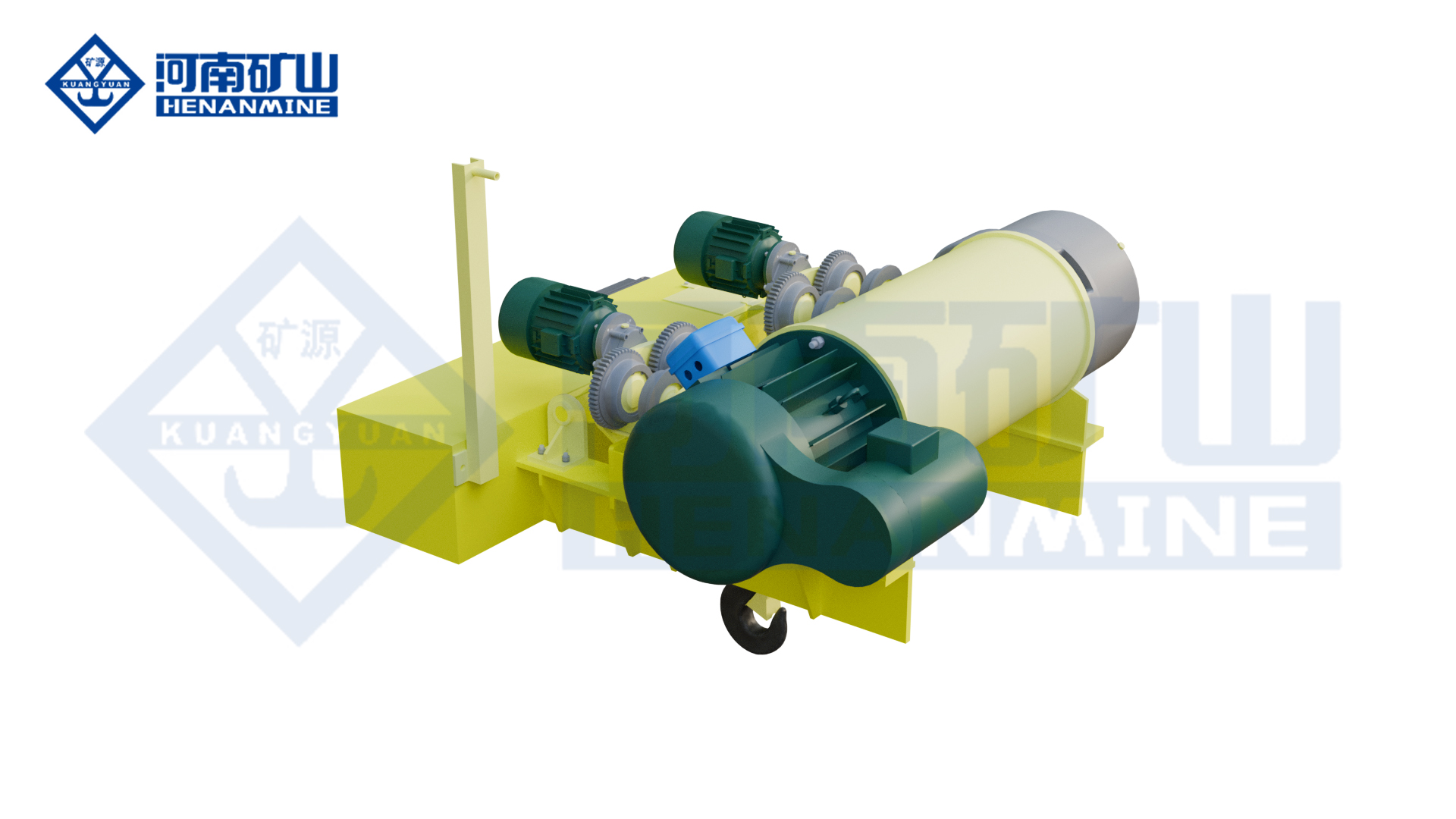
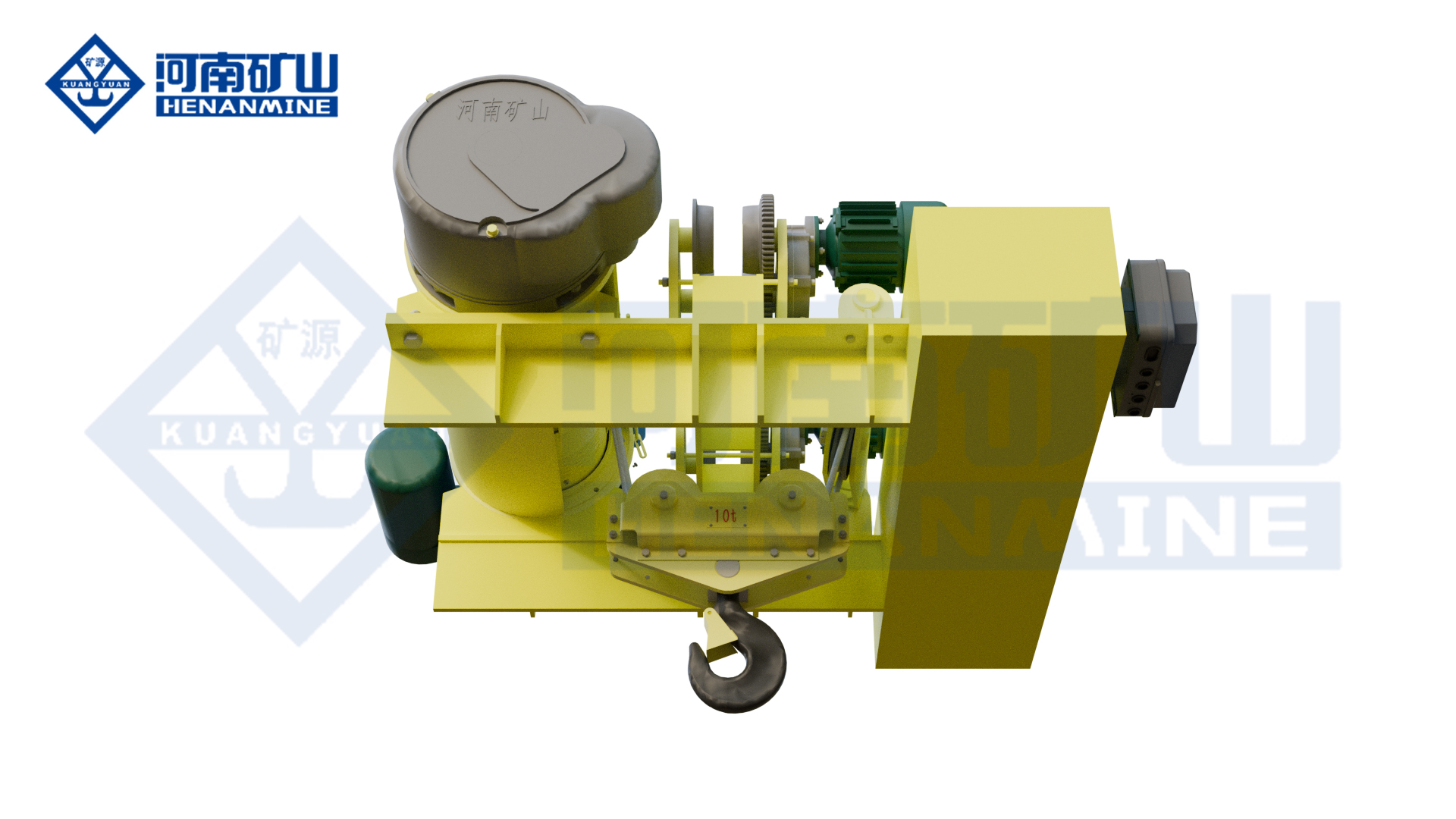
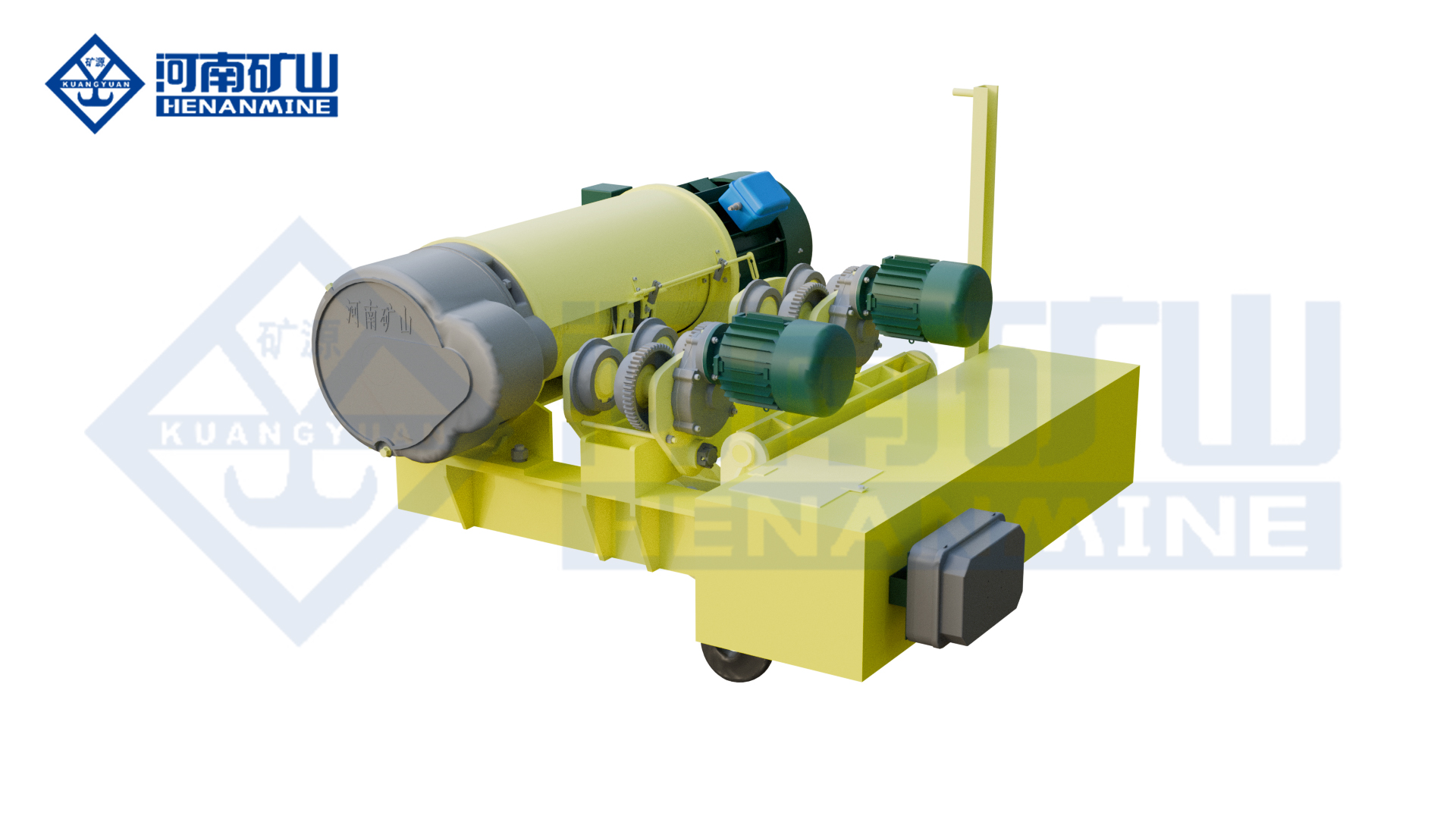
The motor and drum layout reduces the occupied vertical envelope.
Modular mounting
Suspended or trolley arrangements match the supporting crane.
Clearance-led selection
Hook approach and beam geometry determine useful lifting height.
Technical specifications
Model: KS1
Reference configuration — Rayvanbo European wire rope hoist, 5 t catalogue example
Published comparator configuration; the figures describe the named reference equipment. The proposed Henan Mine Crane configuration is selected separately for your load and site.
| Rated capacity | 5 t |
|---|---|
| Lifting height options | 6 / 9 / 12 / 15 / 18 m |
| Lifting speed | 5 / 0.8 m/min |
| Travel speed | 20 / 5 m/min |
| Hoist motor | 6.0 / 0.9 kW |
| Mechanism class | M5 |
| Rope reeving | 4/1 |
Equipment arrangement
| Model | KS1 |
|---|---|
| Mechanism | Electric wire rope hoist |
| Installation | Matched fixed or trolley arrangement |
| Host structure | Compatible monorail or crane support |
| Rated load selection | Complete suspended load and operating duty |
| Lift-height selection | Required hook travel and available clearance |
| Power and control | Site supply and operating requirement |
| Load interface | Hook block and approved rigging |
| Layout | Low-headroom motor and drum arrangement |
Price guide
Send rated load, required hook travel, the mounting-beam or crane drawing, lifting frequency and site power supply for a configuration-specific hoist price.
What affects the price?
- Rated load, lift height and duty
- Trolley and supporting-beam dimensions
- Dual-speed or variable-frequency control
- Power supply and protection
- Controls and delivery scope
Typical configurations
Low-headroom layout
Compact motor and drum arrangement
Compare the actual upper hook position with the available roof and support clearance.
Lifting mechanism
Electric wire-rope hoist
Select capacity, lift and speeds from the complete suspended load and working cycle.
Host interface
Independent beam or compatible crane installation
Confirm trolley or fixed mounting, beam dimensions and maintenance access.
Final capacity, dimensions and operating functions are agreed for your load and site.
Compare related models
Compare the lifting arrangement and site layout before choosing a model.
Configuration
CD wire rope hoist for general-purpose crane or monorail lifting.
Consider it when
Conventional headroom is available and straightforward routine handling is required.
Configuration
KS modular wire rope hoist with compact geometry and optional monitoring.
Consider it when
Compare hook approach together with component access and maintenance requirements.
Configuration
One wire rope hoist and one hook block on a double-girder trolley frame.
Consider it when
You need a trolley for a double-girder crane; confirm rail centres, wheel loads and hook coverage.
Plan your crane specification
Send a dimensioned section through the support beam or host crane, showing the roof, runway or beam level and the required upper and lower hook positions. Include side-clearance restrictions and nearby equipment.
Provide maximum and typical loads, attachment mass, operating hours, lift frequency and required positioning speed. For a replacement, include existing equipment dimensions, beam or rail details, electrical supply and available maintenance access.
State whether the hoist will be fixed, trolley-mounted or integrated into another crane arrangement. These inputs allow the lifting envelope, mounting interface and machinery duty to be checked before the new hoist is selected.
Frequently asked questions
Does low headroom mean a shorter lifting travel?
No. Headroom concerns the space occupied above the upper hook position; lifting travel is the vertical distance the hook must move. Specify both dimensions for the installation.
Will the KS1 fit an existing beam?
Compatibility depends on the beam dimensions, support loads, trolley arrangement and required clearances. Provide the beam drawing and existing installation measurements for review.
How much extra hook height will it provide?
The result depends on the arrangement it replaces and the actual building geometry. Compare dimensioned proposed and existing layouts using the same upper hook requirement.
Product views and components