

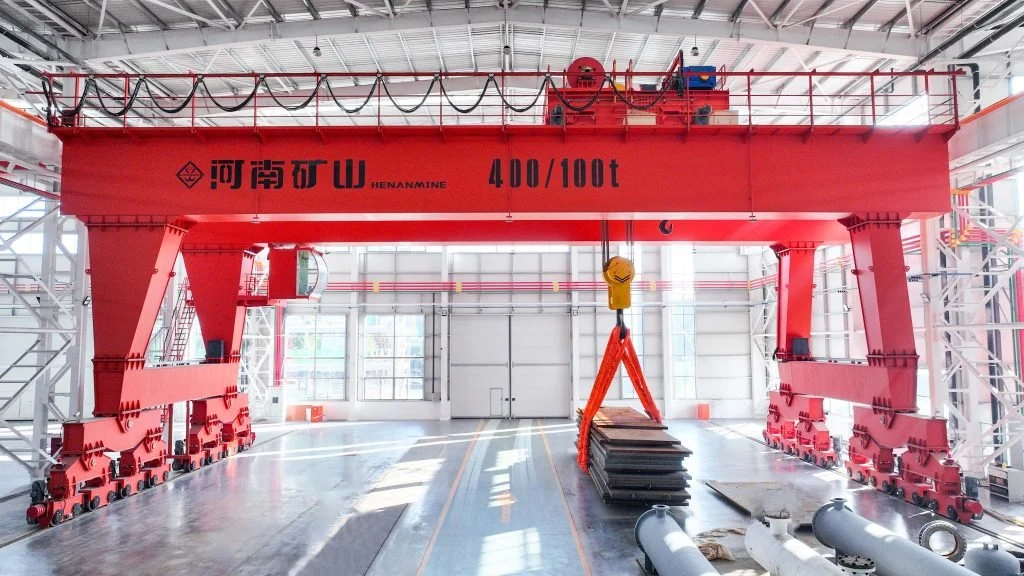

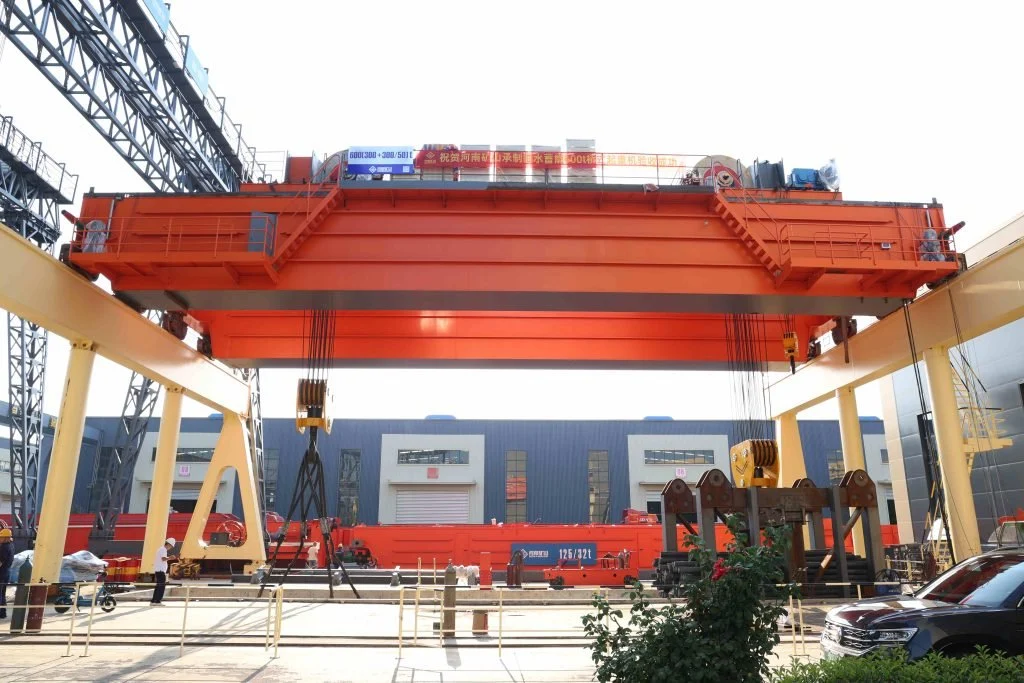
A modular, lightweight double-girder crane with full variable-frequency control for heavy bridge components, smooth workshop transfer and precise trial assembly on the Zhangjinggao Yangtze River Bridge project.
| Project | Zhangjinggao Yangtze River Bridge |
| Rated Capacity | 300t class |
| Crane Type | New-type modular double-girder bridge construction crane |
| Main Application | Bridge steel fabrication, transfer, trial assembly and inspection |
| Motion Control | Full variable-frequency control |
| Design Features | Modular components, lightweight structure, hard-tooth reducers and reserved upgrade interfaces |
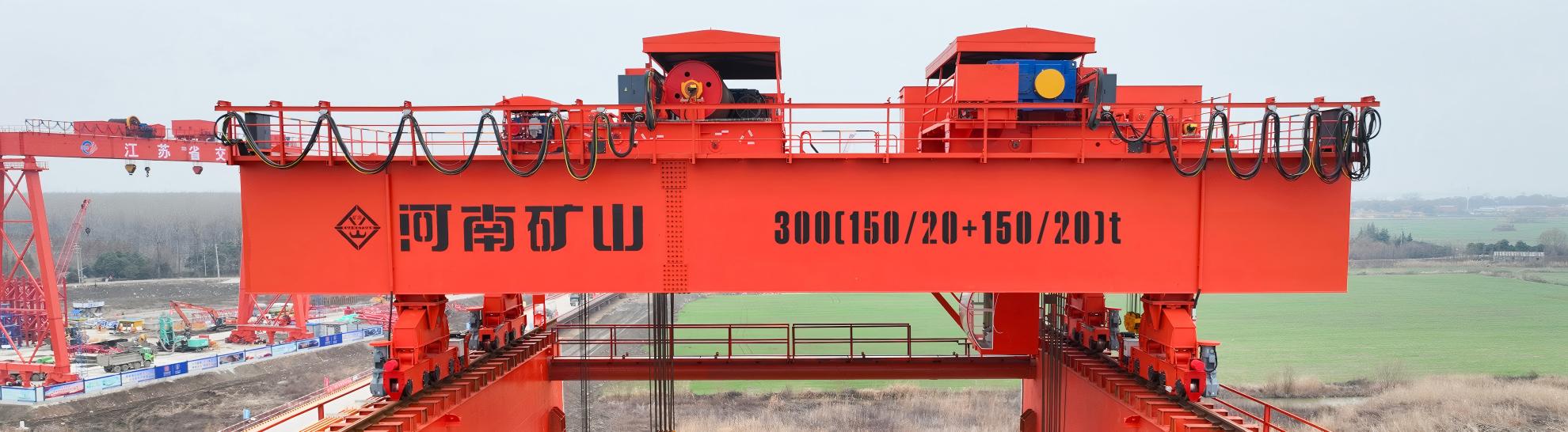
The 300t-class new-type double-girder crane supplied for major bridge construction.
The Handling Requirement: Heavy Components and Precise Trial Assembly
Bridge steel fabrication moves large structural sections between welding, machining, inspection and trial-assembly positions. Loads must travel efficiently across the production area, then approach fixtures and mating points at controlled low speed.
A 300t suspended structure creates substantial inertia during starting and stopping. Sudden acceleration can increase load swing, place additional forces on the structure and make alignment work slower. The crane therefore needs a motion system capable of both efficient transfer and smooth final positioning.
The 300t bridge construction overhead crane project delivered a new-type double-girder crane for the Zhangjinggao Yangtze River Bridge. The original 300t bridge construction crane solution covers the project equipment.
300t Double-Girder Crane for Bridge Steel Handling
Rated capacity must include the heaviest bridge component together with lifting beams, hooks, slings, shackles and temporary lifting devices. The load drawing should also identify dimensions, centre of gravity, lifting points and any allowable deformation or tilt limits.
The double-girder structure provides trolley support and workshop coverage for heavy production loads. Bridge span, hook approach and lifting height are matched to the building runway, assembly fixtures and required travel path.
A customized double-girder overhead crane can be configured around the component-handling sequence rather than selected only by nominal capacity.
Full Variable-Frequency Control for Smooth Transfer and Positioning
The project crane uses full variable-frequency control for hoisting, trolley travel and bridge travel. Controlled acceleration and deceleration reduce mechanical shock and give the operator better command of a large suspended load.
Different production stages require different speeds. General transfer can use an efficient travel speed, while trial assembly and final placement need slower movement. VFD control allows these operating ranges to be selected around the actual task.
Buyers should state the normal speed, positioning speed, allowable error and required repeatability for each motion. If the crane must align a module at a fixture, the specification should also define the reference point, load condition and acceptance method.
Modular Design and Generalized Components
The crane uses modular design concepts and generalized components. Standardized mechanism modules can improve component utilization, simplify engineering changes and make maintenance planning clearer during a long infrastructure project.
For the maintenance team, modularization helps organize spare motors, brakes, couplings, reducers, controls and other replaceable assemblies. Common parts across several cranes can reduce the number of unique spares held on site.
The RFQ should identify expected project duration, operating hours and maintenance access restrictions. Inspection platforms, service clearances and component-removal routes can then be included in the initial crane layout.
Lightweight Structure and Runway Coordination
A lighter crane structure can reduce unnecessary wheel loads and building-runway demand while retaining the required strength, stiffness and fatigue resistance. Structural optimization focuses material along the load path instead of adding weight without improving performance.
The crane manufacturer should provide maximum wheel loads, horizontal forces, wheel spacing and rail tolerances to the building or runway designer. These values must cover the critical trolley positions, rated load, braking forces and required design combinations.
Crane deflection and runway behaviour also influence positioning. Trial-assembly work should be evaluated using the complete crane-and-building system rather than the bridge structure alone.
Hard-Tooth-Surface Reducers and Integrated Electrical Design
Hard-tooth-surface reducers form part of the heavy-duty drive configuration. Gearbox selection depends on motor power, output torque, duty cycle, starts per hour, service factor and the required operating life.
An integrated electrical design coordinates drives, controls, safety circuits and operator interfaces as one system. This is important when all crane motions use variable-frequency control and must respond consistently to operating commands and protective limits.
The control cabinet layout, cooling, enclosure rating and communication architecture should be matched to the fabrication environment and future upgrade plan.
Reserved Interfaces for Future Crane Upgrades
The project crane includes reserved interfaces for later equipment and control upgrades. This allows future functions to be considered without replacing the complete crane or rebuilding the basic electrical architecture.
Before ordering, buyers should identify possible future requirements such as positioning feedback, monitoring, additional safety sensors, remote diagnostics or production-system communication. The initial design can reserve cabinet space, network capacity, input and output points, power supply and mounting positions.
Reserved interfaces should be documented in the electrical drawings and interface schedule so future engineering teams know which provisions are available.
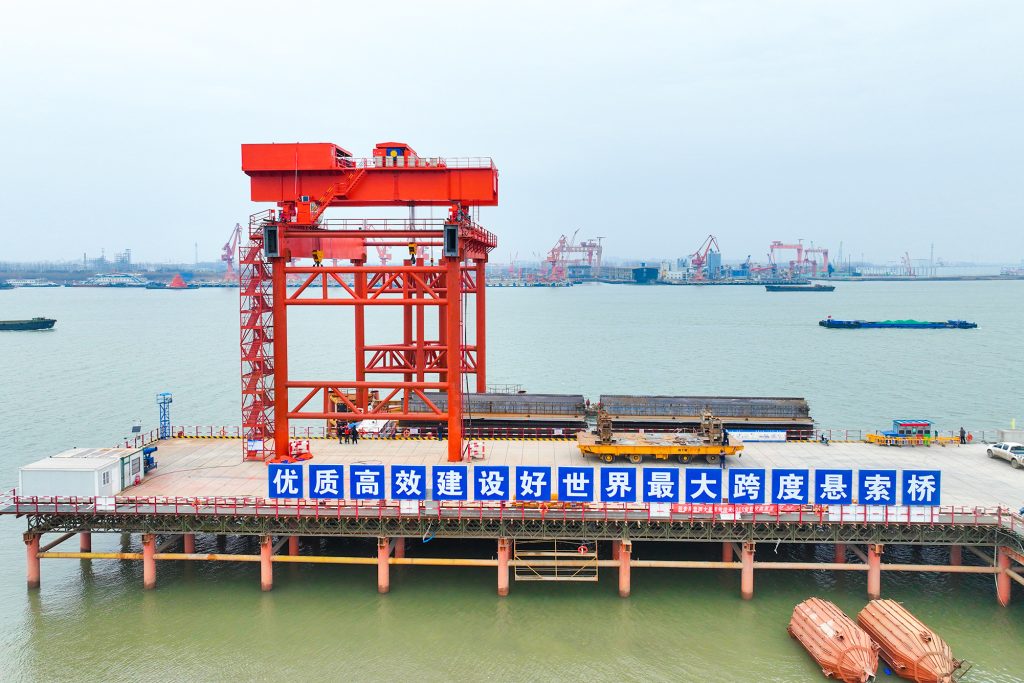
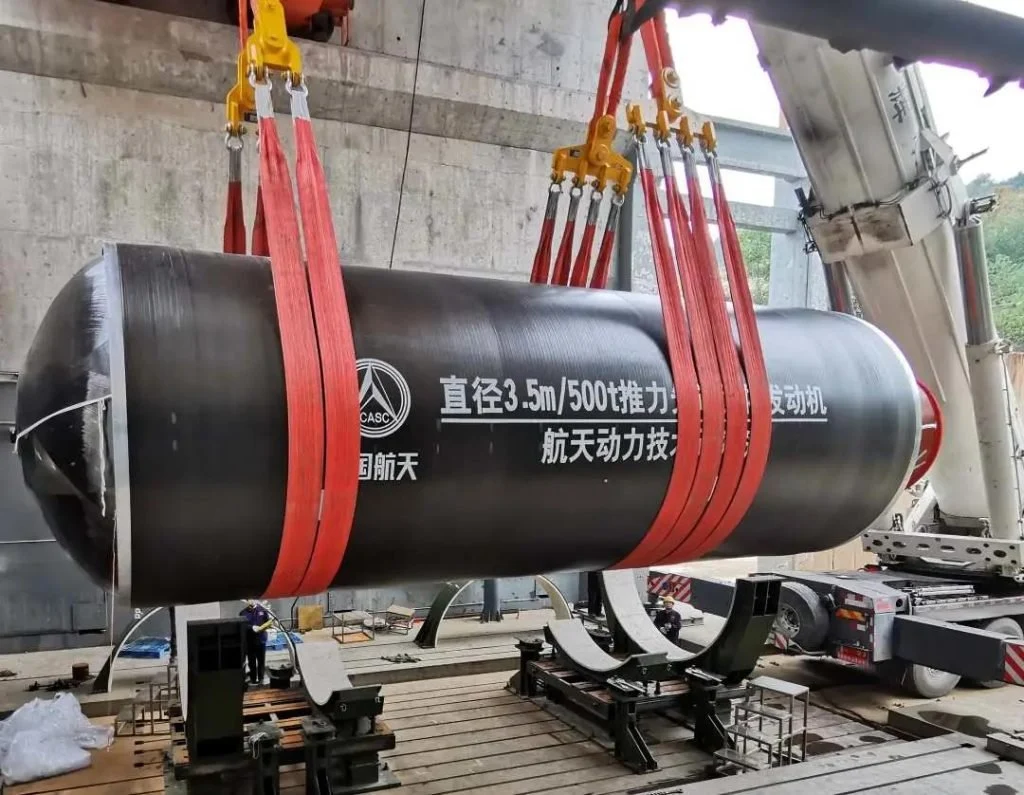
The heavy bridge-construction crane positioned at the riverside steel-fabrication area.
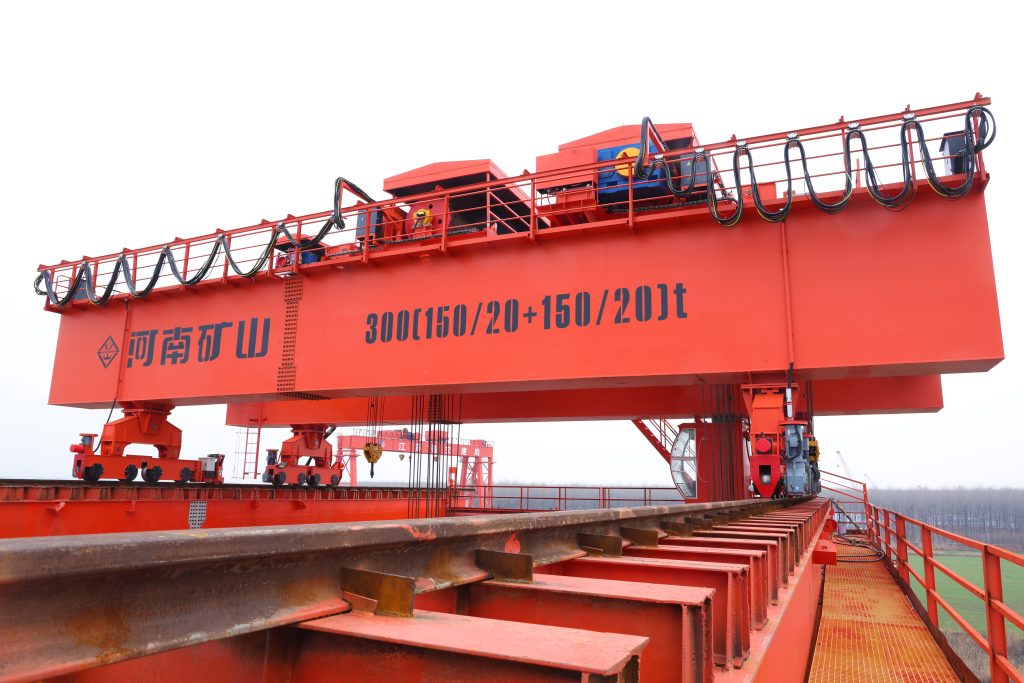
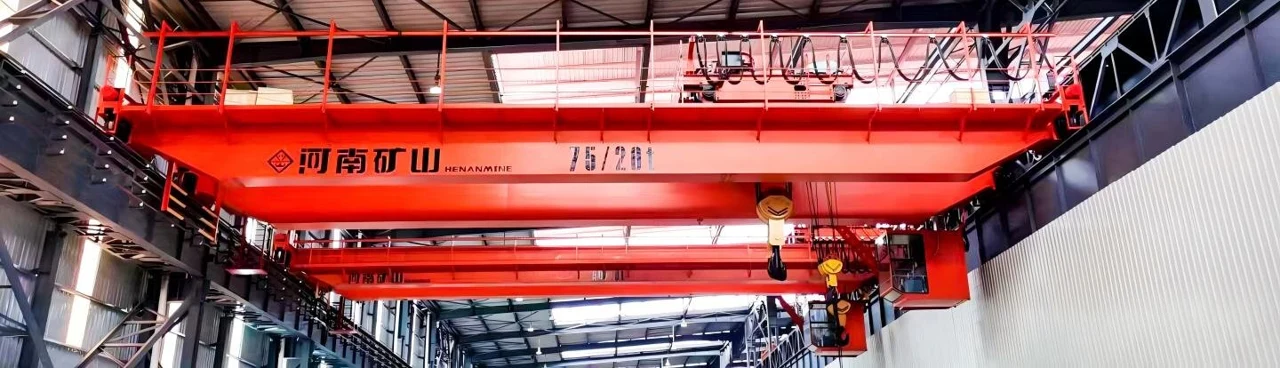
Side view of the double-girder crane and its heavy lifting mechanisms. |
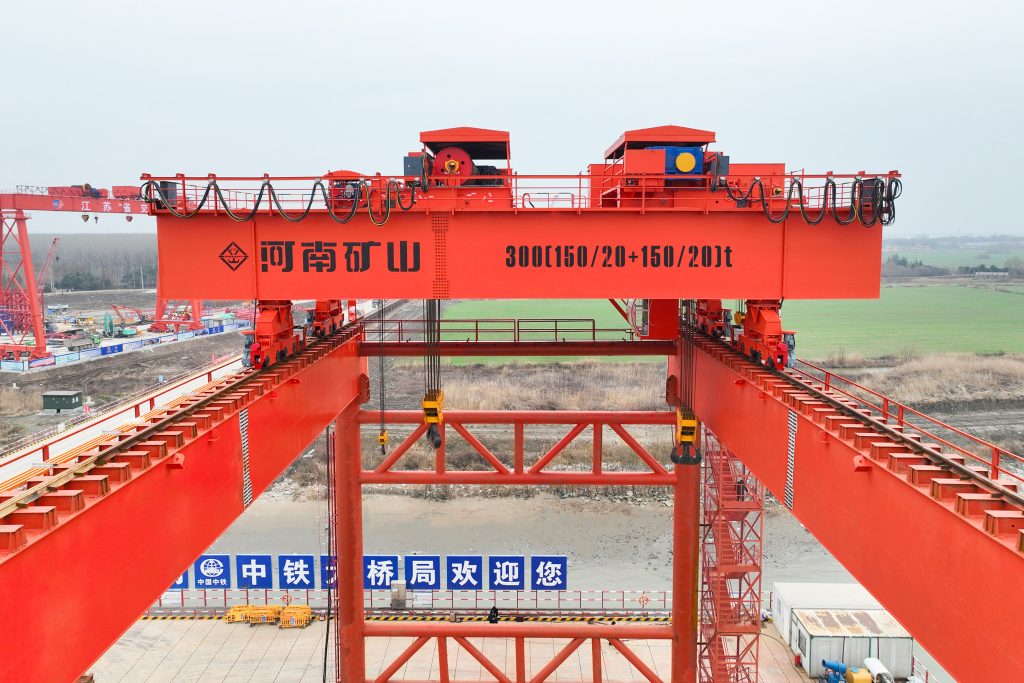
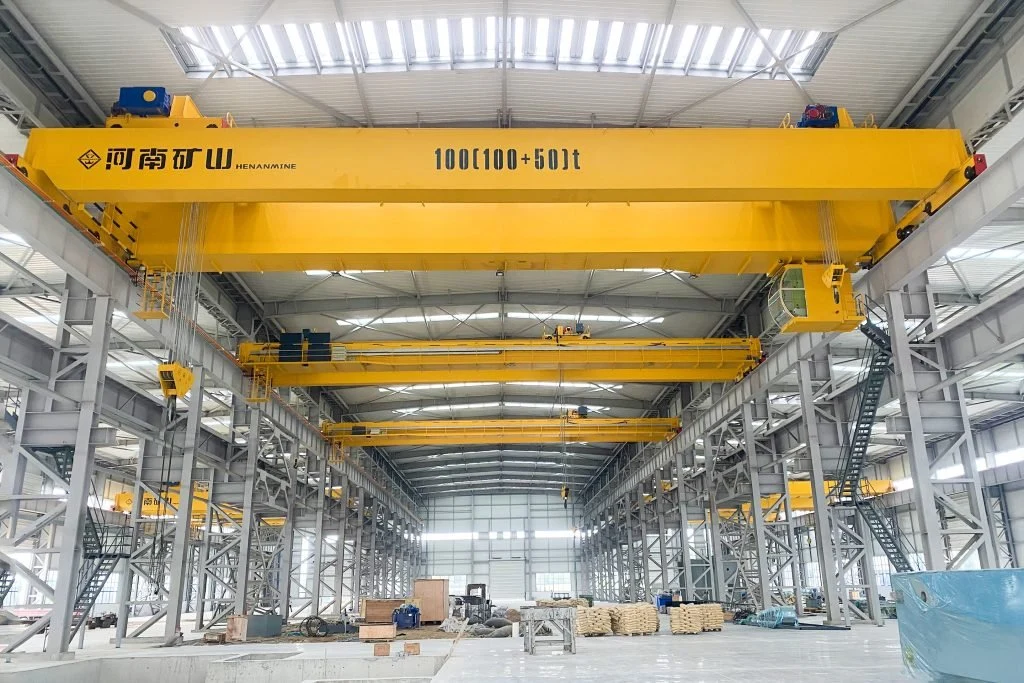
Front view of the 300t crane serving fabrication and assembly operations. |
Crane Functions Matched to Bridge Fabrication
| Production Stage | Crane Requirement | Engineering Response |
|---|---|---|
| Welding and machining | Transfer between production positions | Efficient VFD travel and full workshop coverage |
| Trial assembly | Smooth low-speed alignment at fixtures | Controlled acceleration, positioning speed and suitable hook approach |
| Inspection | Stable holding and access around the component | Reliable brakes, controlled hoisting and clear operating visibility |
| Long-term maintenance | Efficient inspection and component replacement | Modular mechanisms, generalized parts and maintenance access |
| Future improvement | Additional control or monitoring functions | Reserved electrical and communication interfaces |
More lifting systems for bridge yards and infrastructure production bases are available in the construction engineering crane application center. Buyers can also compare the wider overhead crane range.
Project Result
The 300t crane combined heavy bridge-component handling with the smooth motion required for steel fabrication and trial assembly. Full VFD control supported controlled starting, stopping and low-speed placement, while the modular structure and generalized components simplified long-term maintenance planning.
Lightweight structural concepts helped control crane dead weight and runway demand. Hard-tooth-surface reducers, integrated electrical design and reserved upgrade interfaces completed a crane configuration designed for both current production and future improvements.
For an outdoor heavy bridge-tower application at a higher capacity, review the 700t bridge construction gantry crane project. The operating frequency and load spectrum should also be converted into the correct overhead crane duty class.
RFQ Checklist for a 300t Bridge Construction Crane
- Maximum bridge module weight plus lifting beam, hooks, slings and rigging
- Component dimensions, centre of gravity, lifting points and allowable tilt
- Building span, runway length, lifting height and hook approach
- Normal travel speed, positioning speed, accuracy and repeatability
- Production cycle, lifts per shift, operating hours and load spectrum
- Runway capacity, rail specification and allowable wheel loads
- Power supply, control method and operator location
- Required maintenance platforms, service access and spare-parts strategy
- Future monitoring, positioning or factory-integration requirements
- Applicable standard, inspection documents and acceptance-test plan
Use the overhead crane RFQ guide to prepare the information required for a technical proposal.
Frequently Asked Questions
Why use full VFD control on a 300t bridge crane?
It provides smoother acceleration and deceleration for a high-inertia load while allowing lower speeds for trial assembly and precise positioning.
What are the benefits of modular crane design?
Modular and generalized components can simplify maintenance, spare-parts planning, mechanism replacement and future engineering changes.
Why reserve interfaces for future upgrades?
Reserved space, power, communication and control points make it easier to add monitoring, positioning or integration functions without replacing the complete electrical system.
What information is needed for a quotation?
Provide the maximum load, component drawings, span, lifting height, runway data, operating cycle, required speeds, positioning tolerance, power supply and future upgrade requirements.
Need a Heavy Crane for Bridge Steel Fabrication?
Send your bridge-component drawings, workshop layout, operating cycle and positioning requirements for a customized crane proposal.


